
Choosing what to study at university is one of the biggest decisions you’ll make in your life, and it’s completely normal to feel torn between your passion for a subject and practical employability concerns. For some degrees with a clearly-mapped career path, it’s obvious where you’ll be working once you graduate. For others, you’ll have a more broad future career path – which can come with its own challenges.
In this guide, we explore the best degrees for career prospects, drawing on student reviews posted on EDUopinions in 2025. In each university review, students can give a separate ‘career prospects’ rating, which can reflect a variety of factors, including the relevance of the curriculum, quality of careers services, and how well the university prepares students for the job market.
These rankings don’t mean that one degree guarantees success or failure. Instead, they highlight how different subjects tend to perform when it comes to employability, demand, and career flexibility. Use this list as a starting point to think about where your interests meet career opportunities – and read real opinions from students who have experienced your preferred degree.
This blog is part of the EDUopinions Student Reviews Guide 2026.
What are the Best Degrees for Job Prospects in 2025?
Summary and Methodology
We analysed ratings from 3,475 student reviews posted on EDUopinions between January 1st 2025 and December 31st 2025. These reviews were for universities in European countries with at least 10 reviews overall (including the UK). For this ranking, we only included subjects with at least 20 reviews, and ranked average ratings received by each subject by the ‘career prospects’ specialism.
EDUopinions reviewers don’t have to have graduated from their university to review it. As a result, career prospects ratings more often highlight aspects of career services and curriculum rather than the job-hunting experience after a degree.
10. Earth & Marine Sciences (4.35/5 Career Prospects Rating)
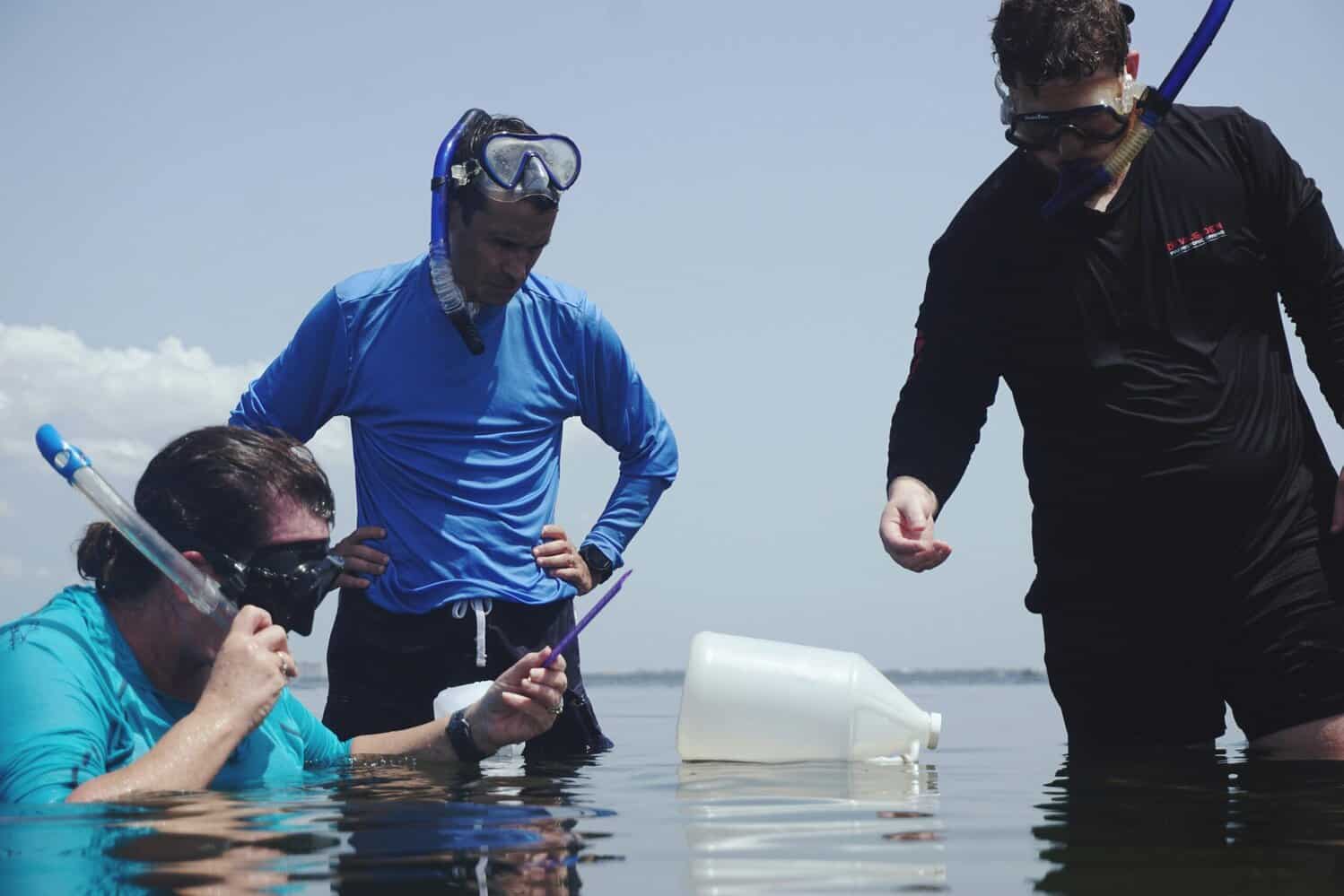
Across Europe, demand for environmental specialists continues to grow due to climate targets, renewable energy expansion, and sustainability regulations. As a result, Earth and Marine Sciences graduates are in a great position. This subject focus on understanding natural systems such as oceans, climate, ecosystems, and natural resources, and graduates can find opportunities in environmental consultancy, marine conservation, climate research, coastal management, and government or EU-funded organisations.
While some earth sciences are competitive, you’ll improve your employability even further with postgraduate study or additional certifications in sustainability or environmental science. For students passionate about science, sustainability, and environmental protection, this degree offers meaningful careers with strong long-term relevance.
Student Review – University of Lisbon – ULisboa

Studying at the University of Lisbon was, overall, a positive experience. There’s a good amount of academic diversity, and while the quality of teaching varies, I had several professors who were truly committed to their students. The facilities could be more modern and some administrative processes are slow, which can be frustrating at times. Still, the academic environment, campus life, and the opportunities for research and projects make it worthwhile. In the end, I feel that I grew a lot, both professionally and personally.
Student Review – Università degli Studi di Padova
I’m loving my time at UniPD! At first, I was blown away by all the resources and opportunities on campus. But as I settled in and met the right people, I realized how special this place is. The uni’s got a great vibe, and I’ve made some amazing friends. I’ve also figured out what I want to do with my career, and I’ve had some incredible experiences. The people here are super welcoming and friendly, and the financial aid’s been a big help. UniPD’s definitely been a great choice for me.
9. International Business (4.36/5 Rating)

Business and management subjects very often appear in the rankings of subject with strong job prospects. European graduates of International Business are in a particularly strong position to take advantage of career prospects, given how many companies in Europe operate across borders.
Graduates who speak multiple languages or complete study-abroad placements enjoy particularly strong job prospects; both of these factors are common elements of a business school education. The importance of an international mindset is rising, too; 63% of employers in Western Europe now say that business skills are even more important in the context of businesses adopting new technologies.
Student Review – NHL Stenden University of Applied Sciences

Firstly, I would like to mention the overall experience in this university- the atmosphere and the environment is lovely! From the very first steps in this university I have always felt welcomed, heard, safe, able to express myself however I want to, given a place to grow and most importantly, happy. Personally, it feels like a huge community and I am happy to be part of it, most of the professors and all the professionals working here are incredible people, who are always willing to help you. International Business as a course, is very broad, which I believe is a positive experience, since it has helped a large group of students realise which niche they are attracted to, it allows them to see their strong or/and weak sides. In this course we also have PPD (personal
Student Review – Vilnius University
I am currently pursuing International Business at Vilnius University, and I must say that my experience has been quite positive. I appreciate how the professors encourage us to express our thoughts freely and genuinely consider our viewpoints; we frequently analyze real case studies and explore cultural topics. For instance, we once discussed the most distinct business culture in our home countries, which made the class enjoyable and engaging. However, I believe there are areas for improvement, such as the communication barrier, as many staff members struggle with English proficiency. Additionally, the syllabus could be more captivating and distinctive. Furthermore, it would be beneficial to organize more social events specifically for international students, as many of us are away from home and eager to make connections with others. Although the student environment is acceptable, local students tend to interact less with international peers. Nevertheless, I truly enjoy Vilnius; it’s tranquil and safe even late at night. Overall, I would recommend the university, especially for students from developing nations, as it is affordable and provides a reasonable educational experience within the EU.
8. Business Analytics (4.38/5 Rating)

Business Analytics is one of the most in-demand skills areas globally. Research shows that graduates of analytics degrees increasingly in high demand at technology companies, but there are opportunities in varied organisations. For instance, finance, healthcare, retail, and manufacturing rely heavily on data-driven decision-making.
In general, graduates with strong technical skills – including Excel, SQL, Python, and data visualisation – are particularly attractive to employers. As a result, Business Analytics degrees offers a fantastic combination of valuable skills, excellent employability, and strong career progression into the future.
Student Review – Manchester Metropolitan University
Studying MSc Business Analytics at Manchester Metropolitan University has been a great experience. The course mixes theory with practical work, using real-world case studies and tools like Power BI and SQL, so what you learn feels immediately relevant. Lecturers are approachable, and the careers team provides useful guidance for placements and job hunting.
The campus is modern with good library resources and collaborative spaces, and the diversity makes group work and discussions more interesting. One downside is limited access to some specialised software outside lab hours, but the university listens to feedback.
I’d recommend MMU to anyone looking for a balance of academic knowledge and practical skills in business and tech.
Student Review – Nova School of Business and Economics
Nova SBE really surprised me in the best way. The professors are not just knowledgeable, they care. They challenge you, guide you, and treat you like someone capable of solving real problems. The infrastructure is top notch, modern, and actually makes you want to spend time on campus.
I also liked how hands-on the classes were. They throw you into the fire from day one. It’s intense, but it pushes you to grow and think critically under pressure.
Another thing I loved is the location. The school is literally a few minutes from the beach, and the whole vibe in Carcavelos is super laid back and chill. It’s a great place to study if you like a balance between focus and peace.
That said, making friends as an international student can be tough. The student body isn’t as diverse as it might seem on paper. A large part of the students are German, Portuguese, or Italian, so it takes a bit more effort to build connections if you’re from somewhere else.
Still, if you’re looking for a challenging and career-focused school where you’ll be pushed to grow, I’d definitely recommend it.
7. Tourism & Hospitality (4.40/5 Rating)

Following a dip in international travel during the Covid pandemic, in recent yars the travel industry has regained strength across Europe, with graduates in Tourism and Hospitality seeing strong career pathways.
During a Tourism and Hospitality degree, you’ll explore key skills such as hotel and events management, tourism, and customer experience. Careers include hotel and resort management, event coordination, tourism marketing, and airline or cruise operations. Although entry-level salaries in the tourism industry can be modest, career progression is often fast. At some of the best hospitality management schools in Europe, practical work experience is a core part of the curriculum, helping you gain an international network.
Student Review – EHL Hospitality Business School – EHL
I am currently in my last year of studies at EHL Hospitality Business School pursuing a Bachelor in International Hospitality Management.
EHL has helped me grow in countless ways through various opportunities. I was very introverted and kept to myself when I first joined EHL as it was difficult for me to approach new people and begin a conversation. At EHL, the team bonding and team building exercises that encouraged students to meet outside the academic environment, really encouraged me to feel more seen and comfortable. Furthermore, EHL hosts a variety of events on campus all year round where we can interact with companies and brand, their CEOs and executives creating for a great networking and learning opportunity. LVMH, Cartier, Goldman Sachs are just a few companies that EHL partners with. There is something for everyone irrespective of the field they want to pursue after university.
This allowed me to learn how to present myself confidently and talk to such experienced and senior executives making and building strong connections. The two internships at EHL is something that really enhanced my entire college experience and is so unique to EHL. Being able to spend 6 months in any country twice during your bachelor program is an unmatched feeling. I did my first internship in Dubai and the second one in Paris and I truly feel that the exposure one gets not just from the work experience but also culturally is essential in developing ones character.
Overall, I have really enjoyed EHL so far. The support and opportunities it provides its students are really something to take advantage of and be grateful for.
Student Review – NHL Stenden University of Applied Sciences
I’m a third-year tourism management student. I studied in Leeuwarden for 2,5 years and I’m currently spending a semester abroad in Bangkok.
My experience at NHL Stenden has been very positive. I’ve had the chance to study with international students, and I enjoyed working in small project groups. Getting to work with real clients was a valuable part of my studies, as it helped me develop practical skills. The program wasn’t too focused on theory, which I actually liked because it gave us more time to work on practical projects.
NHL Stenden is a great place for personal development. Over the past three years, I’ve learned a lot about myself, especially thanks to the strong focus on personal reflection at NHL Stenden. I also really appreciate the opportunity to study abroad. The application process was smooth and I felt well-prepared for this experience.
Overall, I really enjoyed my time studying in Leeuwarden and I already miss it.
6. Electrical Engineering (4.40/5 Rating)

Electrical engineering remains one of the most employable technical degrees across Europe, with graduate engineers in demand in a variety of industries. For example, graduates might work on power systems, electronics, telecommunications, automation, and smart infrastructure.
Additionally, with European countries increasingly turning towards renewable energy, electric vehicles, and digital infrastructure, demand for electrical engineers, demand is expected to rise. While academically challenging, an Electrical Engineering sdegree offers strong job security, competitive salaries, and excellent long-term career prospects.
Student Review – University of Bath
The city of Bath itself is really attractive with its Georgian architecture. I was able to find an apartment in The Circus, the round near The Royal Crescent and enjoyed my time living there. These are nice pubs, night-life, shopping including second hand, and an arty, trendy historical atmosphere. If you have a car, or road bike the surrounding countryside is very pleasant too with good pubs and beautiful scenery. I chose the University of Bath above all for the location.
The university itself is situated on top of a hill just outside the City of Bath. You can see the city lights. There are buses that go up the hill regularly. You can usually catch a lift. I think I only walked up a couple of times. There is accommodation on campus that is cheap. I stayed in campus accommodation in my first and final 4th year.
The standard of education was fine when I was there. I studied Electrical and Electronic Engineering. Some of the lecturers looked like they were simply reading notes from years ago but others were inspired and inspiring. There were lots of labs and research going on so the final year thesis was practical and motivating.
There are girls in the European studies department but in others there are not that many around. There is Bath Spa University not so far away which has a superfluity of ladies. The pump rooms and the area around the weir has great cafes for tea. The cathedral is special. The atmosphere is the selling point. After graduating I went to Edinburgh University again for the Georgian architecture, I like it that much!
Student Review – University of Porto – U.Porto
After 5 years at FEUP – Faculdade de Engenharia da Universidade do Porto – I can confidently say it was a great pleasure to study there. I can only speak about my course – Electrical and Computer Engineering – the course is not the easiest, but very interesting. The practical classes were good, the theoretical not so much (but I have an horrible attention span). Overall I had good professors at everything. There’s always different activities being promoted, either by the faculty or the uni.
5. Sociology (4.53/5 Rating)

A sociology degree equips students with strong analytical, research, and communication skills that are of high value in companies. While this is not as specialised a degree as some of the other subjects on this ranking, students gain a strong knowledge of social inequality, migration, diversity, and social impact – topics that are at the forefront of the political sphere.
Graduates of sociology may find roles in social research, policy analysis, public services, HR, marketing, NGOs, and international organisations. Additionally, on a sociology degree, you’ll develop quantitative research skills and gain work experience in not-for-profit companies, potentially leading to opportunities in academia.
Student Review – University of Oxford
My university experience was a transformative journey that challenged me academically, personally, and socially. From the first year, I was exposed to diverse ideas, cultures, and ways of thinking that pushed me beyond my comfort zone. The academic workload was demanding, but it helped me develop strong time-management, research, and critical-thinking skills that I continue to use today. Lecturers were generally knowledgeable and supportive, especially when students showed initiative and commitment to their studies.
Beyond academics, university life offered valuable opportunities for personal growth. Working on group projects taught me collaboration, communication, and conflict-resolution skills, while balancing studies with personal responsibilities helped me become more disciplined and resilient. Campus life was vibrant, with various student organizations, events, and social spaces that made it easier to form friendships and feel part of a community. Although support services were available, accessing them sometimes required persistence, and improvements in efficiency and communication would enhance the overall student experience.
Overall, my university years were meaningful and rewarding. They not only equipped me with academic qualifications but also shaped my confidence, independence, and readiness for the professional world.
Student Review – University of Brighton – UoB
The quality of education and the dedication of the faculty at the University of Brighton have completely astounded me.The instructors are incredibly knowledgeable and passionate about their subjects, in addition to the fact that the classes are enjoyable. I look forward to every class because I know I will benefit from the best. The growth opportunity at this college is really enjoyable because of the clever demonstration techniques and stimulating discussions. I’m grateful to be a part of a reputable organization that prioritizes understudy fulfillment as well as academic excellence.
4. Engineering (4.53/5 Rating)

A general engineering degree offers excellent flexibility and consistently strong job prospects – unsurprising, when the subject concerns the workings of modern-day infrastructure. Graduates develop technical expertise, problem-solving ability, and analytical thinking that are transferable across industries.
Currently, engineers are in high demand across industries as varied as infrastructure, manufacturing, energy, aerospace, and technology. Engineering graduates are also valued outside traditional engineering roles, including finance, consulting, and management. Although the workload can be demanding, the degree offers strong long-term returns, high employability, and opportunities to work internationally.
Student Review – Universidad de Cantabria
The university had one of the best civil engineering Masters in Spain. The commodities, professors and overall experience was great. I learnt a lot of useful things to grow as a professional and also as a person. The city has a good student atmosphere and the location is quite convenient. Weather is good although you need to get a good umbrella because winter is quite rainy
Student Review – RWTH Aachen University
Overall the experience has been good, level of materials and teaching depends on professors and institute, however the overall level is good. The theoretical things can be hard and stressful, but you can get through if you invest the time and energy.
The reputation of the University in the industry is also great and helpful for finding a job.
3. Nursing (4.53/5 Rating)
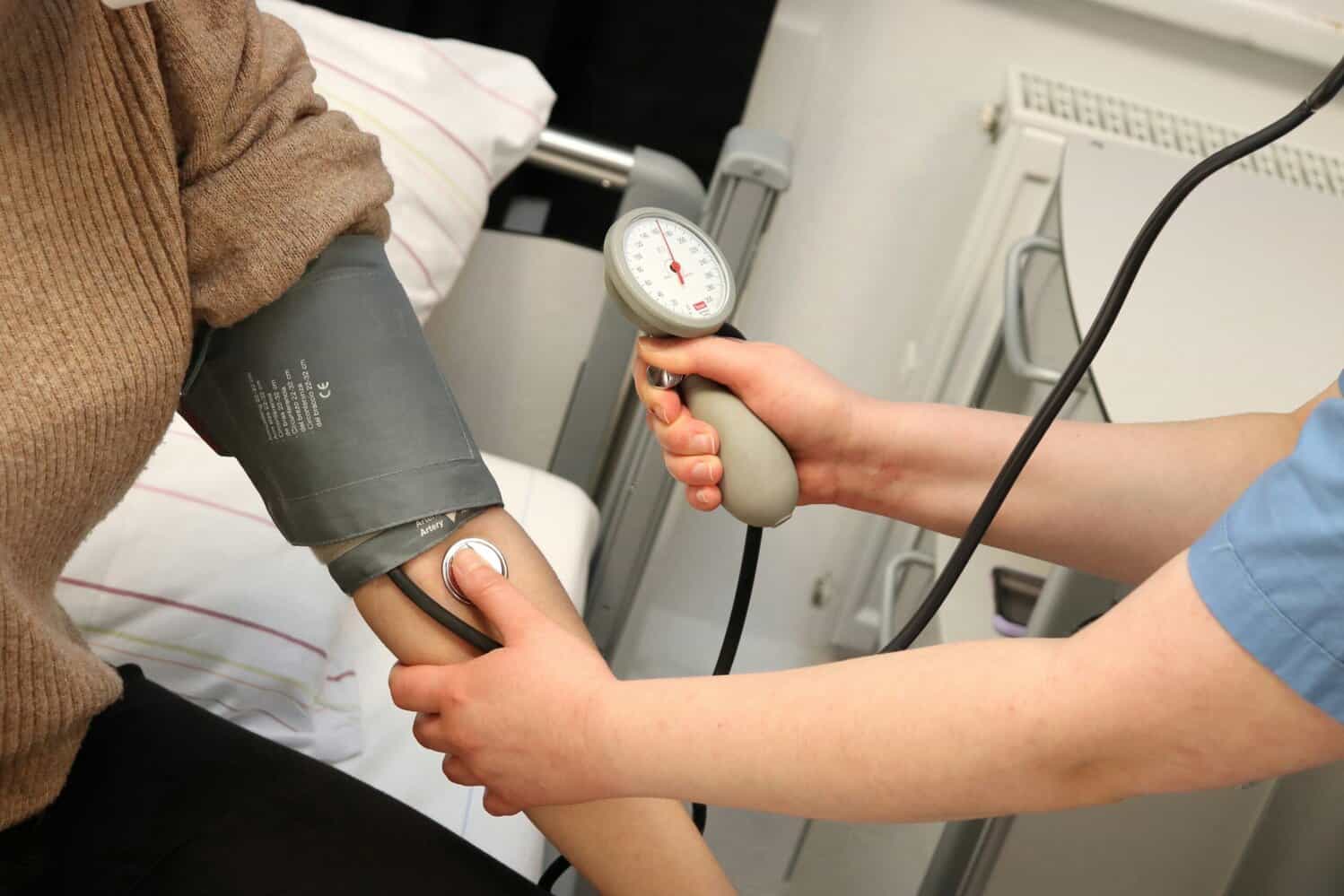
Europe is currently facing a shortage of up to 1.2 million doctors, nurses, and midwives, so there are plenty of opportunities for students who pursue this life-changing degree. Nursing degrees combine academic learning with extensive clinical placements, ensuring students are job-ready as soon as they graduate.
While nursing can be emotionally and physically demanding, it also offers meaningful work, stable employment, and opportunities for international mobility within Europe. It takes the right person to be a nurse, but it’s one of the most rewarding subjects around.
Student Review – University of Coimbra – UC
Hello! I am a Nursing student at the University of Coimbra.
I think the course is very comprehensive, we have a good mix of theory and practice, and the classes help us gain a good foundation for the future as nurses.
The college’s conditions are generally good, with available professors and the opportunity to experience different contexts during internships, which is very enriching.
Overall, I would recommend the University of Coimbra to anyone considering nursing because it prepares you well and has a great atmosphere among colleagues.
Student Review – University of Roehampton
One thing I love about the program is its focus on holistic and evidence-based nursing practice, preparing students for diverse healthcare settings. Clinical placements in NHS trusts provide valuable hands-on experience, but the support from mentors can be inconsistent, making the transition from classroom learning to real-world practice challenging.
2. Chemical Engineering (4.59/5 Rating)
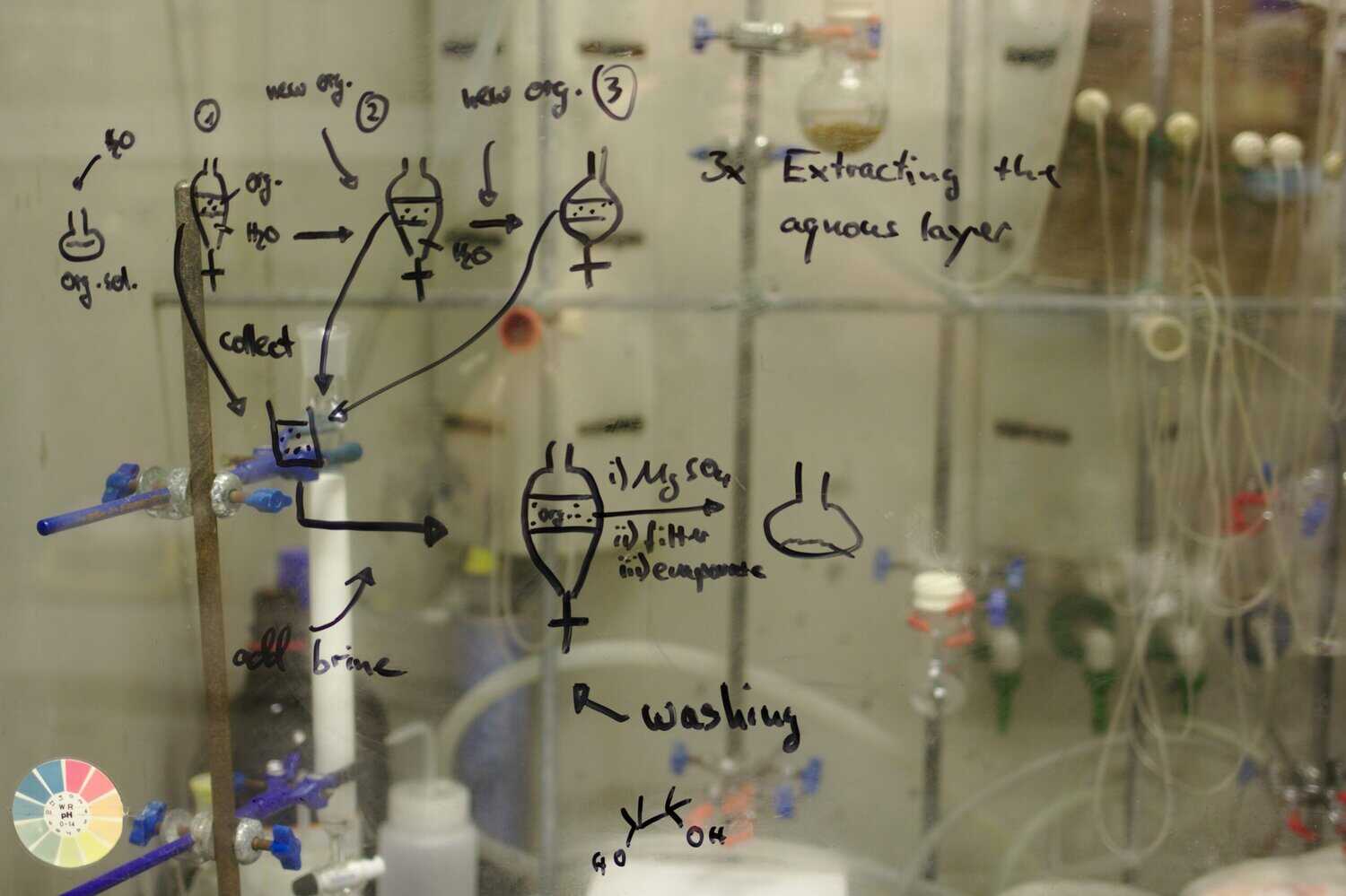
Chemical Engineering receives the highest rating for career prospects across all engineering subjects – not a surprise given the career opportunities. Graduates of this subject apply chemistry, physics, and mathematics to solve problems in industries such as pharmaceuticals, energy, food production, materials science, and biotechnology – all of utmost importance.
In particular, chemical engineers are valued for their technical expertise and ability to optimise complex processes. Although the degree is challenging, graduates typically enjoy high starting salaries and strong long-term career prospects.
Student Review – University of Gdańsk – UG
Attending the University of Gdańsk has been a great experience for me. I’ve met fantastic individuals and received an excellent education. The teachers are committed, supportive, and go above and beyond to assist students achieve. They are specialists in their fields and sincerely care about our progress and development. The university’s teaching style makes learning pleasurable, and I am grateful for the superb education and wonderful people I have met here. I am grateful for the help and mentorship I received at the University of Gdańsk.
Student Review – Bremerhaven University of Applied Science
Bremerhaven University of Applied sciences is a solid choice because of its hands on practical learning experience. It’s a small University in a small city which has its cons and probs.on the one hand, It feels more personal, but on the other , I feel like they are fewer opportunities because of the size
1. Project Management (4.64/5 Rating)

However, the top spot for career prospects in 2025 goes to Project Management – like due to this subject’s versatility across European industries. For instance, organisations in construction, IT, engineering, healthcare, finance, and consulting rely on skilled project managers to deliver complex projects – and demand continues to rise as companies manage digital transformation and sustainability initiatives.
Adjacent to a business or management degree, Project Management involves skills in leadership, planning, communication, and risk-management – all of which are highly transferable, leading to numerous careers across a variety of sectors.
Student Review – Clermont School of Business
As an international student, my experience with ESC Clermont’s MS in Project Management has been both enriching and career-shaping. The program blends rigorous academic training with practical industry applications, covering methodologies like Agile and PMP while emphasizing leadership and cross-cultural teamwork.
The school’s diverse student community and international outlook make every project a truly global learning experience. Professors bring valuable real-world expertise, and strong corporate connections provide excellent opportunities for internships and networking in Europe.
Clermont-Ferrand itself is a welcoming, student-friendly city that balances tradition with modern living. Overall, the program equips graduates not just to manage projects, but to lead them on an international stage.
Student Review – Cracow University of Economics – CUE
At my university most teachers have a very open, modern approach toward students. They are up to date with changing learning technologies and students habits. They allow us to use AI tools but also teach us how to use it in a more effective, smart way and not just copy and paste. Even more conservative teachers encourage us to have our own opinons on the learning process and are open for discussion when something seems to be no longer actual.
Also the whole programm for each field at the Uni is edited almost every year to meet the needs of the labor market and prepare students to be hired. Another important point is that the University of Economics collaborates with many companies where our students can become interns with flexible schedule to attend classes and eventually they end up being hired there for job contract after graduation.
Lastly, our campus has very good localization and there are many places to study and also integrate with peers. I really enjoy my student life at my Uni and feel sorry that I have only one year left.
The Worst Degrees for Job Prospects – as Voted by Students
As well as looking at the best degrees for job prospects, we also looked at the worst. Which degrees scored the lowest for their career prospects rating? Here are the top 10.
It’s worth noting that our ranking doesn’t mean that students don’t find jobs after a particular degree. When current students leave a review of their university, they are often reflecting on the quality and rigour of their institution’s careers services and how well they think the curriculum is preparing them for future careers.
10. Politics (4.05/5 Career Prospects Rating)
A politics degree builds valuable insight into how governments, institutions and societies work, and teaches skills in research, writing and critical thinking. However, the number of direct jobs in politics is comparatively small and highly competitive.
Many employers outside of politics value transferable skills, but this often means graduates need to pursue further training or experience through internships, postgraduate study or networking to stand out.
9. Social Policy (4.05/5 Rating)

Social Policy explores welfare systems, inequality, health and social services – subjects that matter deeply in modern Europe. However, career opportunities directly tied to this degree tend to sit within the public or charitable sectors, which often have limited budgets and vacancies.
As a result, some graduates may find themselves competing for a small number of research, policy or community-work roles. Without further qualifications or specialised experience (for example in social research methods or public administration), graduates may need to broaden their job search improve their chances of advancing.
8. Communication (4.01/5 Rating)

Communication degrees cover media, messaging, public relations and digital culture, and teach useful skills like writing and media literacy. Yet employment outcomes can be mixed because many roles in media and communications prioritise portfolio work and experience over academic qualifications.
Industries like journalism and advertising are also undergoing considerable chance due to changing media habits and digital transformation, meaning fewer entry-level roles that specifically require a degree. Graduates often need to build strong internship experience, freelance portfolios or digital content to strengthen their career prospects – something that isn’t always prioritised on degrees.
7. Psychology (4.00/5 Rating)

Psychology is hugely popular across Europe, but most professional psychology roles require postgraduate study, supervised placements, or licence-specific credentials, limiting the direct opportunities for Bachelor’s graduates.
While psychology graduates do have strong analytical and interpersonal skills, there are lower employment rates compared with other subjects because the degree alone doesn’t lead to a clear professional qualification without further training.
6. Art & Design (3.90/5 Rating)

Creative arts and design degrees have long been known for their lower direct employment prospects. These degrees promote transferrable skills such as visual thinking and artistic expression, but employment in creative fields tends to be more freelance, portfolio-based and irregular compared with fields with structured career pathways.
Arts and design roles are also relatively few compared with the number of graduates pursuing them, which means competition is strong. Many graduates begin in low-paid or part-time creative roles while they build experience, and steady, full-time jobs can take time to secure.
5. English Language & Literature (3.84/5 Rating)

Like other humanities degrees, English literature and language degrees develop excellent writing, analysis and communication skills – yet the degree itself doesn’t map directly to a large set of specific careers.
Instead, English graduates often move into teaching, publishing, communications or marketing – fields where employers may prioritise experience or professional qualifications alongside the degree, which can be challenging to gain as a junior graduate.
4. History (3.80/5 Rating)

History teaches research, critical thinking and contextual understanding, which are valuable in many careers. However, like other humanities degrees, it doesn’t offer a built-in professional qualification.
As a result, many history graduates pursue further study (for example in education, archives or heritage management) or enter general graduate schemes where they compete with a broad pool of applicants.
3. Pharmacy & Pharmacology (3.77/5 Rating)

It may seem strange that Pharmacy and Pharmacology is one of the lowest-rated degrees for career prospects, but graduates of these degrees face challenges. Most significantly, pharmacy is a regulated profession in Europe, meaning pharmacists must complete specific accredited programmes and professional training to register and practise.
This limits the number of training placements and staff roles available relative to student numbers, meaning some graduates wait longer for secure roles. Pharmacology (often more research oriented) can lead into lab work or industry, but these roles can be competitive and often favour candidates with postgraduate research experience.
2. Linguistics (3.63/5 RAting)

Linguistics explores language structure, cognition and communication, research that is applicable to many valuable areas such as illness recovery and early years teaching. However, the degree has narrow direct career pathways compared with broader language programmes paired with business or education.
Many linguistics graduates choose further study or specialised training (such as speech and language therapy, computational linguistics, translation or language teaching) to access more structured, higher-demand professions. Without that additional step, the job market can be limited.
1. Modern Languages (3.10/5 Rating)

The lowest-rated subject on our ranking is Modern Languages – which may be a surprise, especially considering bilingual graduates are generally in high-demand in today’s interconnected business world.
However, employers very often hire candidates who can combine modern language skills with another specialism, such as law, business, engineering or education. Direct jobs in modern languages, such as interpreters, translators, or international teachers, are competitive, while many other fields require the languages as a complementary skill. If you are considering pursuing a modern languages degree, the language you choose can impact your employability – according to a recent survey, the most in-demand languages in the UK are German, French, and Spanish.
Conclusion
So, what do you think of our ranking of the best and worst degrees for job prospects in Europe in 2025? Have our student reviewers got it right?
While job prospects are an important factor, no ranking should be the only thing guiding your decision. Graduates succeed for many reasons — including motivation, skills, work experience, and adaptability — not just the subject written on their degree certificate.
Importantly, the ‘worst’ subjects for career prospect ratings don’t receive significantly low ratings. The average career prospects rating across all 40 subjects included was 4.12; many of the lowest-rated subjects aren’t far off this average. However, many of our reviewers are current students and not recent graduates, which may explain the slightly higher averages across the board.
Degrees with weaker job prospects can still lead to fulfilling careers, especially when combined with internships, postgraduate study, or complementary skills. Likewise, degrees that students believe offer strong career prospects still require you to have effort, motivation, and a good knowledge of the jobs market to succeed.
Are you studying or have you recently graduated from any of the above degrees? Tell us your experience and give your own career prospects rating by writing a review – and you could appear in next year’s EDUopinions Student Reviews Guide!

Related Posts :





Recent Posts

We created the EDUopinions Student Reviews Guide to highlight students' opinions of universities. All of the rankings we produce as part of the Guide ...

The University of Pécs in Hungary ranks among the top 1,000 universities in the world, and in the top 300 in Europe. Located in one of Hungary’s best ...

Want to boost your skills with an MBA, but don’t want to take time out from your job to study – or move abroad? An Online MBA means you can study the ...

North-West University is globally recognised for its strong teaching and research; it is ranked seventh in Africa and among the top 1,000 ...