
Concordia University
speciality:
Communication
What is a Communications degree?
Communications is a universal degree, which explores the traditional forms of communication such as verbal, physical, visual and written communication but also extends beyond that to cover mass communication and social media. There are different types of communications degrees depending on the degree level.
Overall, Communications focuses on teaching effective communication through social media, web, print, mass media and verbal communication. However, there are two types of Communications degrees that exist. For instance, a Bachelor of Arts in Communications in the US is focused on preparing students for careers that are connected to writing, marketing, promotions, journalism and public relations. In contrast, Bachelor of Science in Communications is dedicated to the technology used in the science behind modern communication and prepares students for careers in production or sound engineering.
A Communications degree teaches students about how media and communication influences cultures, societies and people’s identities. It involves a significant amount of critical writing and research and covers different disciplines such as journalism, public relations, entertainment production, marketing, event planning and so many more disciplines, which are somehow connected to exchanging information and conveying messages. There are also different specialization options associated with this degree, including political communication, mass media, journalism, health communication, etc.
It is worth noting that a Communications degree has many intersection points with psychology, sociology, linguistics and in some cases politics.
Benefits of a Communications degree
The main benefit of a Communications degree is its universal nature. It applies to almost any subject or professional setting. For example, some of the top careers in the field of Communications include announcers, art directors, editors, broadcast and sound engineering technicians, reporters, correspondents, broadcast analysts, technical writers, writers and authors, interpreters, translators, etc. Therefore, it keeps students’ career options open and doesn’t require them to have a predetermined career path that they want to follow.
Communications degrees prepare students to make an impact from the start of their careers unlike other degrees, which require further training. This is possible thanks to the multitude of professionally accredited degrees in Communications, which develop students’ abilities based on the established standards in the field. Moreover, there are many Communications courses, which offer work placement opportunities that enable students to gain the required professional skills before they have even started their career.
Another benefit associated with Communications degrees is the fact that they develop students’ written and verbal communication skills significantly.
A major advantage of Communications over other degrees is that in most cases there are no prerequisites required to study Communications.
Communications degree structure
The duration of a Communications degree varies depending on the country and degree level. For example, Higher Education Institutions in the UK offer 3-year Bachelor’s courses. In some cases, the course may extend to four years if students are given the opportunity to spend a year abroad or in industry between the second and third year through a sandwich course. Bachelor’s degrees in Communications in the US usually take around four years to complete.
Over the duration of a Bachelor’s Communications degree, students are expected to learn and be able to apply the established communications theories by developing the technical skills required to work in a professional setting. In the first year of their studies, students learn predominantly how media and communication influences cultures, societies and people’s identities. Optional modules may introduce them to professional communication, journalism, documentary, film-making, marketing, etc. In addition to the introductory topics, this degree allows students to learn about more complex areas of communications such as interpersonal relations, brand management and linguistics at a later stage. For instance, the second and third years enable students to get a deeper understanding of theoretical concepts related to media and culture and develop practical skills in research and communications. Additionally, students may have the opportunity to take optional modules and pursue their interests in different areas related to Communications such as gender, race, youth, culture, digital media, political communication, public relations, etc.
The most common duration of a Master’s degree in Communications is between 1 and 2 years depending on the mode of study (full-time or part-time) and country.
PhD and MPhil degrees in Communications require students to dedicate anywhere between 3 and 6 years to their studies depending on the mode and country of study.
11 Student Reviews
-
Communication Studies22 Mar, 2025
 StudentConcordia Communications Department
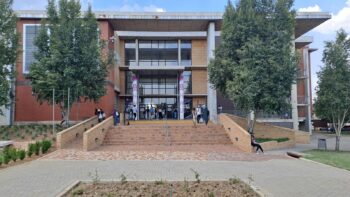
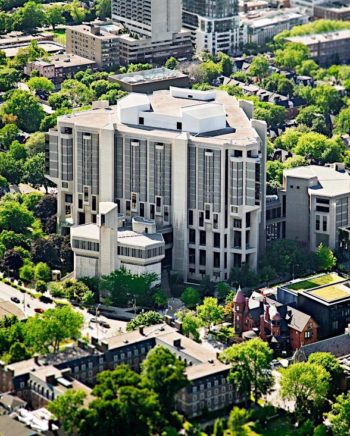
The communication studies department at Concordia is filled with great and engaging professors. The range of courses to choose from is also varied meaning one can find exactly what interests them. The Building is also fantastic with many areas to study and hang out with peers.
View moreProgramme: Communication StudiesDegree: Bachelor'sGraduation: 2026Delivery Type: On CampusCampus: Montreal -
Communications and ...23 Jan, 2025
 MariaCAConcordia university RULES
I absolutely LOVED being a student there even though the first year of my program was fully online because of the pandemic. Walking in the gardens at the Loyola campus was my favorite part of my day there. Enjoyed the classes there even though it was one hour away from my home, the professors were so lovely. HIGHLY RECOMMEND!
View moreProgramme: Communications and Media StudiesDegree: Bachelor'sGraduation: 2023Delivery Type: BlendedCampus: Montreal -
Communications and ...12 Jan, 2025 StudentCACommununications
Overall, this program is very good with many teachers who go above and beyond to help students. While the theory of the program that you learn at the start of the program is a bit outdated and not modernized, many students have voiced this issue and the program head has set to modernize course content of introduction courses. However, after my first year, I was given more choices in my classes, allowing for a deep dive into subjects in communications that interested me like film and gender studies. The program teaches theory about many subjects and how they are communicated to audiences and the public. The small program, diverse class content and hardworking and experienced teachers made this program worthwhile. However, the major downside of the program is that there is little help or opportunities shared on the hub for students seeking internships. Concordia does offer many job fairs and conferences, but the program itself didn’t help with finding internships. Thankfully, I took a minor and found that it benefitted me when looking toward my professional career in communications-based roles. I highly recommend taking a minor to have more of a specialization as the Communications program is quite broad.
View moreProgramme: Communications and Digital CultureDegree: Bachelor'sGraduation: 2025Delivery Type: On CampusCampus: Montreal -
Communication and ...29 Dec, 2024 StudentCASteady Balance of Practicum
This program, although small, balances practicum courses and theory very well. No matter what production stream you decide to pursue, it will be balanced with the theory classes. It is what makes this major in this university so special as it provides a mix of theory and practice with opportunities to learn about sound and visual media production in labs.
I only remove one star because of the faculty that seems to be lacking. I have had various professors that I have had negative experiences with – but this exists within all majors.
View moreProgramme: Communication and Media StudiesDegree: Bachelor'sGraduation: 2026Delivery Type: On CampusCampus: Montreal -
Communication Studies11 Dec, 2024 StudentCAConcordia's Listening Issues
My experience at Concordia University has matched my peers’ experiences at different Quebec and Ontario universities. However, one of the biggest differences about Concordia is the extreme highs and lows in attending the school. Concordia provides excellent facilities for students to study in, has a library open 24/7, provides many courses which allow for a flexible schedule, and has a large range of course topics. They also have a reoccurring issue of not listening to their students and undermining them to save costs. A recent conflict involves cutting the school’s shuttle bus between two campuses, something the students have openly pleaded against, making it costly and time-consuming to attend your courses. Overall, an average school needs to improve its communication with its students.
View moreProgramme: Communication StudiesDegree: Bachelor'sGraduation: 2026Delivery Type: BlendedCampus: Montreal -
Journalism28 Aug, 2024 StudentCAUnique University
Concordia University is a vibrant and diverse institution that offers an exceptional educational experience. With its strong focus on innovation, creativity, and community engagement, Concordia provides students with a unique and enriching learning environment. The university’s faculty are renowned for their expertise and dedication, delivering high-quality teaching and mentorship that helps students achieve their full potential.
View moreProgramme: JournalismDegree: Bachelor'sGraduation: 2026Delivery Type: BlendedCampus: Montreal -
Communication17 Jul, 2024 StudentA good offer
This school offers a diverse array of academic programs, providing students with a well-rounded education and the essential skills to succeed. With a strong focus on practical application and real-world scenarios, the curriculum is designed to empower students to achieve their full potential and prepare them for successful careers.
View moreProgramme: CommunicationDegree: Bachelor'sGraduation: 2026Delivery Type: On CampusCampus: Montreal -
Communication01 Jul, 2024 StudentUnlocking career potentials
This school offers a diverse range of career paths, providing students with the essenti tools and support to succeed. The communication program stands out, with a curriculum built on a robust theoretical base and enhanced by practical projects that simulate real-world scenarios. This approach enables students to develop a comprehensive skill set, preparing them for a successful career in communication.
View moreProgramme: CommunicationDegree: Master'sGraduation: 2025Delivery Type: On CampusCampus: Montreal -
Journalism24 Apr, 2023 StudentCAJournalism is Better in Team
I’m still in my journalism program and I like it so far! I have learned so many helpful things and I can’t way to put them in action. What I love is that we have easy access to every equipment we need to complete our projects. My cohort is already very close and everyone helps each other out.
View moreProgramme: JournalismDegree: Bachelor'sDelivery Type: On CampusCampus: Montreal -
Communications and ...28 Nov, 2022OmerCAReady to Make Waves in the Media Industry?
Being one of the top programs in North America, Communication Studies at Concordia University comes with its own building designed with studios with technical equipment and cohesive lecture halls to inspire an academic discourse about media.
The program only allows 100-something students per year and encourages a family-style path from the first class until graduation, which translates to a solid professional network. The professors are artists who have a passion for academia. Most of my professors had their independent artist side, where they often invited us into their creative works, to show a more tangible side of the career.
I would highly suggest picking this major as you will leave the home-like campus with a high sense of belonging, strong critical thinking skills and a creative, yet technical approach to media production.
View moreProgramme: Communications and Media StudiesDegree: Bachelor'sGraduation: 2021Delivery Type: On CampusCampus: Montreal