
Today, students want more from their MBA programmes. It isn’t enough for them to teach students to be competent leaders or understand financial strategy; MBAs must prepare students to tackle the biggest social challenges. But what are the best sustainability MBAs in the world in 2026?
42% of prospective students say that sustainability and corporate social responsibility are must-haves on an MBA curriculum today. Not to mention, sustainability jobs will be some of the most in-demand jobs in the future.
To answer this question, we’ve looked at the Corporate Knights Better World ranking of the most sustainable MBA programmes. To create the ranking, Corporate Knights examined 209 business schools worldwide and evaluated each institution’s MBA on its sustainability focus.
Consequently, the ranking details the MBA programmes and business schools that have the biggest focus on sustainability and CSR. These schools prepare students to work in sustainability and build better businesses for the planet and communities.
TOP Sustainability MBAs in Europe 2026
While these MBAs may not be categorised as sustainability-specific, their inclusion in the Corporate Knights Better World ranking means that their programmes do contain a strong sustainability focus.
In fact, the Corporate Knights Better World ranking focuses entirely on one metric: how much of the mandatory curriculum addresses sustainable development. This topic covers a broad range of business knowledge, including:
- Environmental and social challenges
- Corporate governance
- Biodiversity
- Carbon pricing
- Child labour
- Corruption reduction
- Employment equity
The ranking also considered the percentage of graduates who landed roles in ‘impact organisations’. However, this factor only gave a bonus score worth 10%.
So, let’s dive into the list of the most sustainable MBAs in Europe.
10. Newcastle University Business School
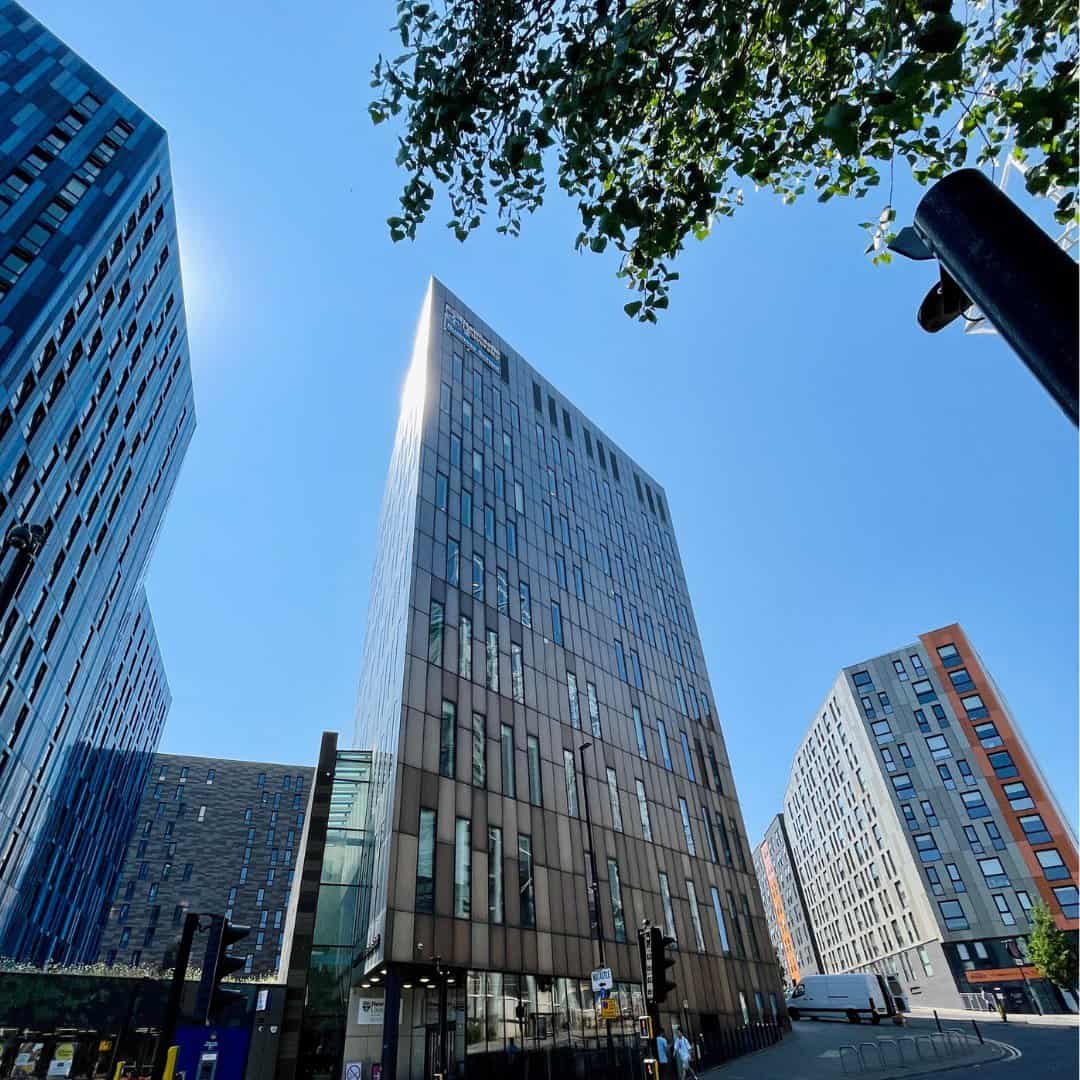
Newcastle University Business School’s MBA programme just beats the world’s number one MBA at INSEAD to a number ten spot on this ranking (INSEAD ranked 11th in Europe on the Better World ranking). The triple-accredited Newcastle University Business School offers a full-time MBA programme with plenty of opportunities for students to dive into sustainability topics, including the core module ‘Corporate Social Responsibility and the Challenge of Ethical Business.’
In addition to its sustainability focus, NUBS stands out because of its impressive gender parity (53% of full-time MBA students are women) and the size of its business faculty. The business school is linked to Newcastle Helix, a state-of-the-art innovation hub for the local area, where students can network with professionals.
Student Review

With so many courses covering such a wide range of content, students are learning more content and concepts to some extent. The extra-curricular activities are also fun and improve the students’ social and teamwork skills. The programme invites authoritative lecturers from around the world to share the latest information about the world, which enhances the students’ horizons. However, there are a lot of classes and a lot of homework, which makes everyone tired and causes students to study inefficiently. Overall it is good.
9. King’s College London
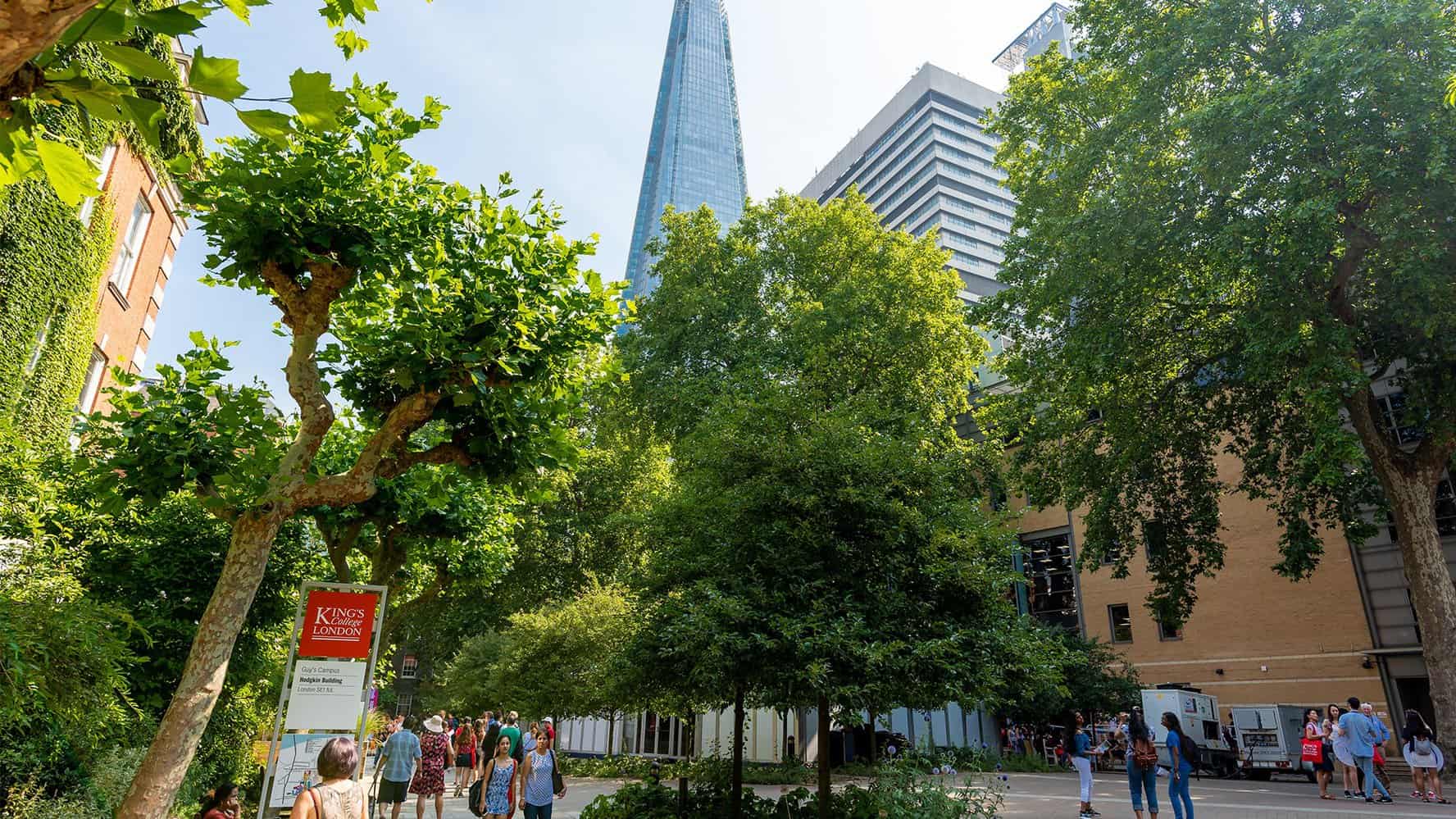
While the Better World Ranking has been running since 2010, this is the first year that King’s College London has been featured. The university offers a two-year Executive MBA for experienced professionals that really digs down into sustainability challenges, guiding students to become purpose-led leaders.
Not only does King’s College London offer one of the best MBAs for sustainability in Europe, but the school also ranks highly for its institutional focus on the environment. Recently, the university was ranked 33rd in the world in the Times Higher Education Impact Rankings, which assess schools on their commitment to the United Nations Sustainable Development Goals (SDGs).
Student Review
KCL has the resources, status and researchers of a world-class university while combining a highly diverse and international student body. Anyone can find their niche of interest and friends while developing knowledge, and contacts and making the most of life-changing opportunities. Excellent exchange programs, facilities, and extra-curricular activities. Amazing people.
8. EADA Business School

EADA Business School is the only business school in Spain that has made the top 10 best sustainability MBAs in Europe. The school climbs one place in the Better World ranking compared to the previous survey, with 41% of the MBA curriculum focused on sustainability knowledge. The institution has also been recognised by the Financial Times as a top 30 business school in Europe.
On the International MBA programme, students can specialise in Sustainability & Business Impact, as well as explore innovation from a sustainable perspective in core modules.
Student Review

The programme content allows you to choose your field of interest, the student base is international, there is a good leadership module, however the quality of the professors is not top notch. Big plus is the city of Barcelona, which is great for student life.
7. ESMT Berlin

The MBA at ESMT Berlin is the only German degree programme to make it into the top 10, and it’s clear by the middle of the programme that sustainability is the aim of this degree. Between June and August, before returning for their second semester, students can join a social impact project, where they can start applying their leadership and social impact skills.
After the degree, there’s also the option to volunteer as a Responsible Leader Fellow, where you’ll get to work with impactful organisations worldwide to make a real difference to local communities.
Student Review
Well structured programs, great facilities and very good career development team. The alumni relations with the school are great and well maintained and fostered. Overall a great school right in the middle of Berlin.
6. University of Winchester Business School
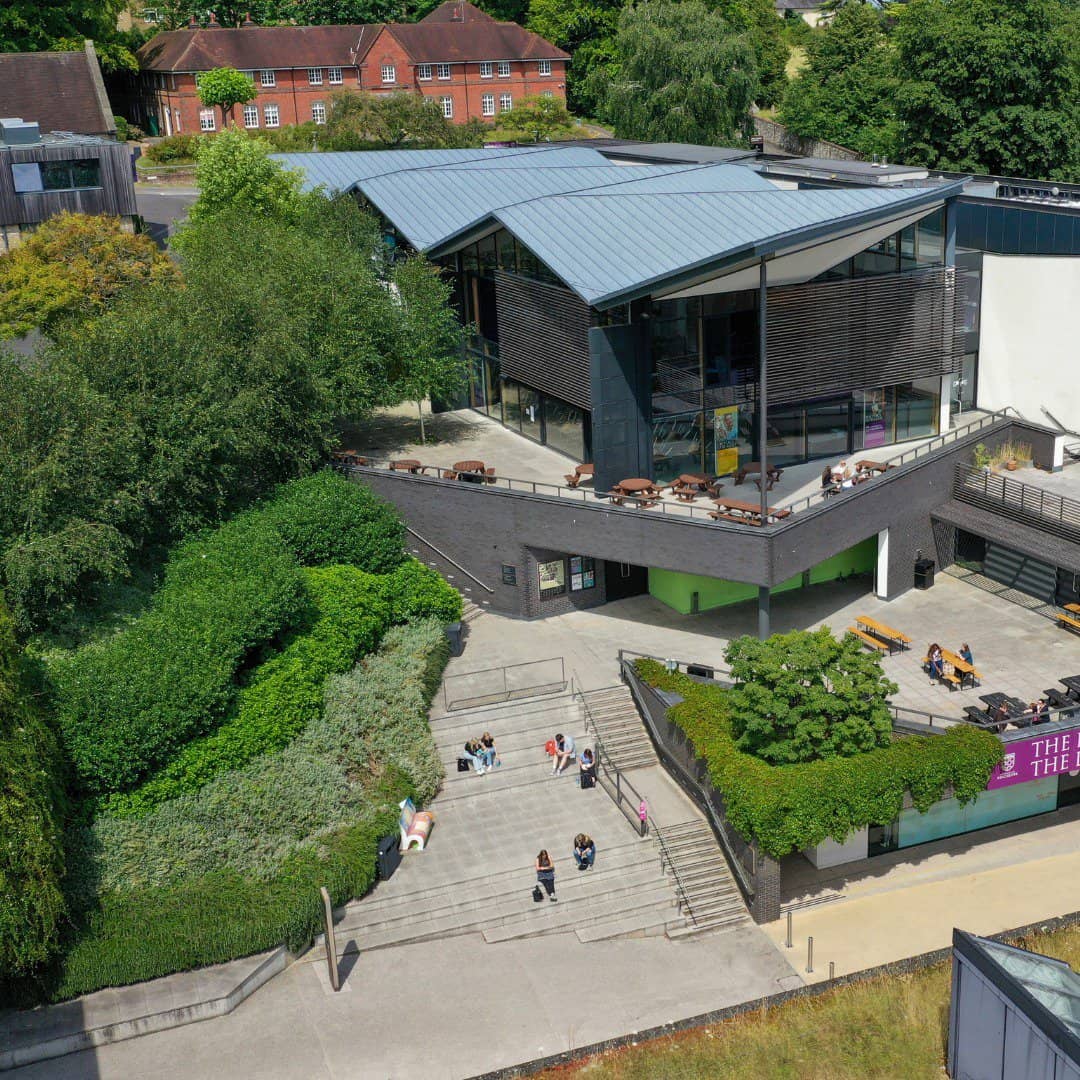
In the historic city of Winchester, with roots stretching back to the Medieval times, is one of the most sustainable MBAs in the world. The University of Winchester Business School beats schools in Canada, Germany, and the US to an overall position of 12th in the world and 6th in Europe in the Corporate Knights Better World ranking—53% of the MBA’s curriculum here is sustainability-focused.
Two out of the five mandatory courses feature sustainability: Sustainability and Ethics and Sustainable Innovation. Meanwhile, the business school is also recognised as a United Nations Principles for Responsible Management Education (PRME) Champion.
Student Review
During my time at Winchester University, I really appreciated the Universities excellent, easy to access student wellbeing support services. I also really enjoyed the opportunity to engage in paid, extra curricular activities that strengthened my CV such as being a Student ambassador, Non-medical helper and Student Fellow (Part of the universities Student Fellow Scheme); there is a strong culture for giving students the opportunity to venture outside of their academic field of study and into funded opportunities that enable students to strengthen a plethora of transferable skills. As one of the few black students attending the University, I certainly would have liked to see a little more diversity, however, as I was leaving the university I had the opportunity to participate in a campaign to improve ethnic and racial diversity at the university, so I am sure Winchester now has a thriving community of students from various ethnic, cultural and racial backgrounds.
5. Warwick Business School
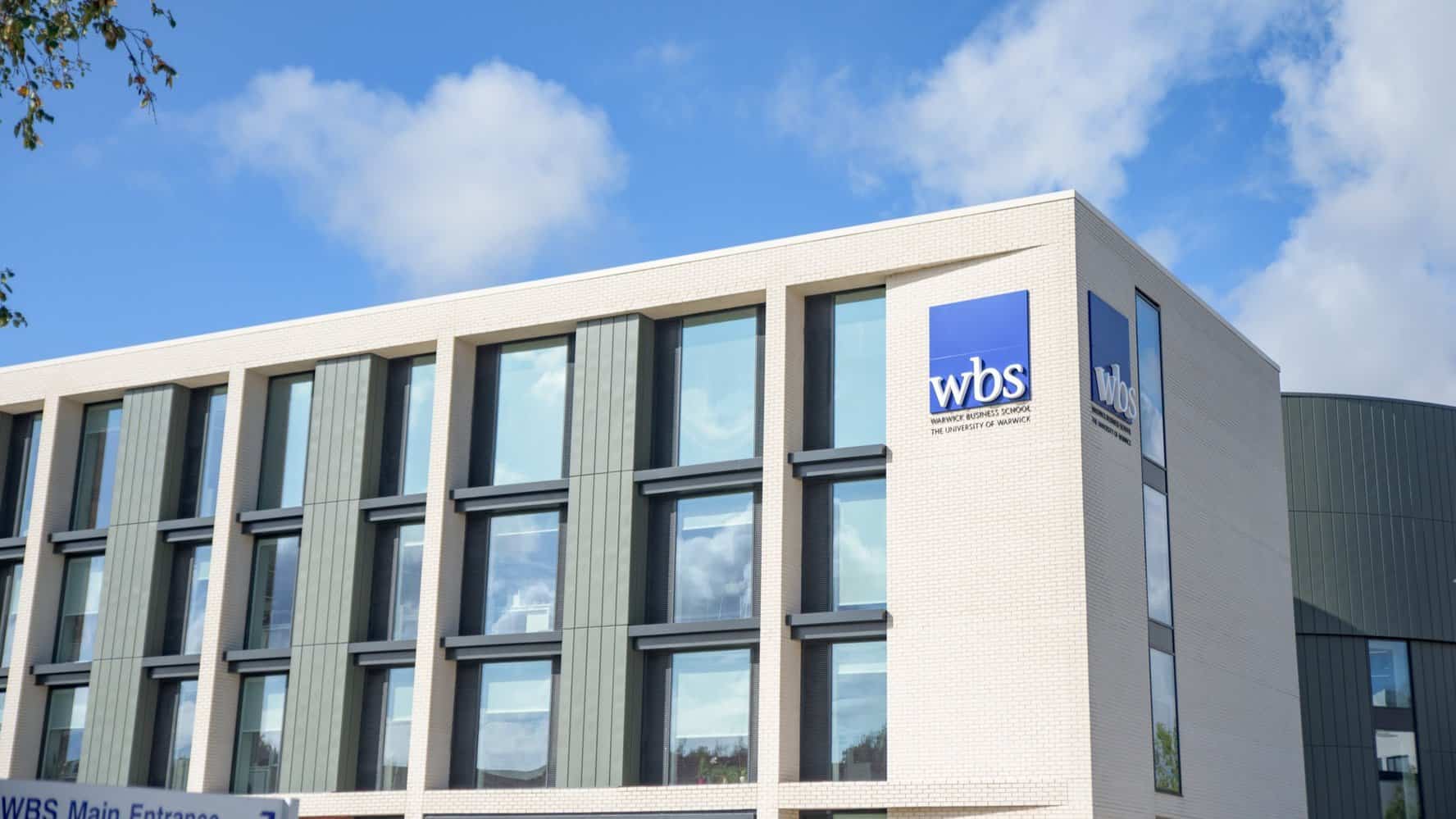
Warwick Business School dropped from 2nd to 11th in the ranking in the course of the year, but it’s still a top 5 MBA for Sustainability in Europe. The school ensures that sustainability is threaded through a majority of modules; for example, in the Financial Management module, students explore sustainability in the context of financial analysis.
The business school is also the home of the Global Energy Research Network, a group dedicated to researching new frameworks to help countries and governments embrace sustainable energy.
Student Review
Pursuing my master’s degree at WBS has been a game-changer in my life. With high-quality education, interaction with students from across the world, amazing campus life and much more. I was able to learn about business, finance, project management and strategy all in one course: MSc in Management at WBS. Besides the top-notch education from the best professors, I also enjoyed being a part of fun societies and participating in fun activities such as scavenger hunts and so much more.
The school also organises many company visits and interactions which help students get a head start at finding a job. As my course came to an end, I also have a good full-time job placement in my hands.
Overall, my experience at WBS was a great one.
4. Durham University Business School
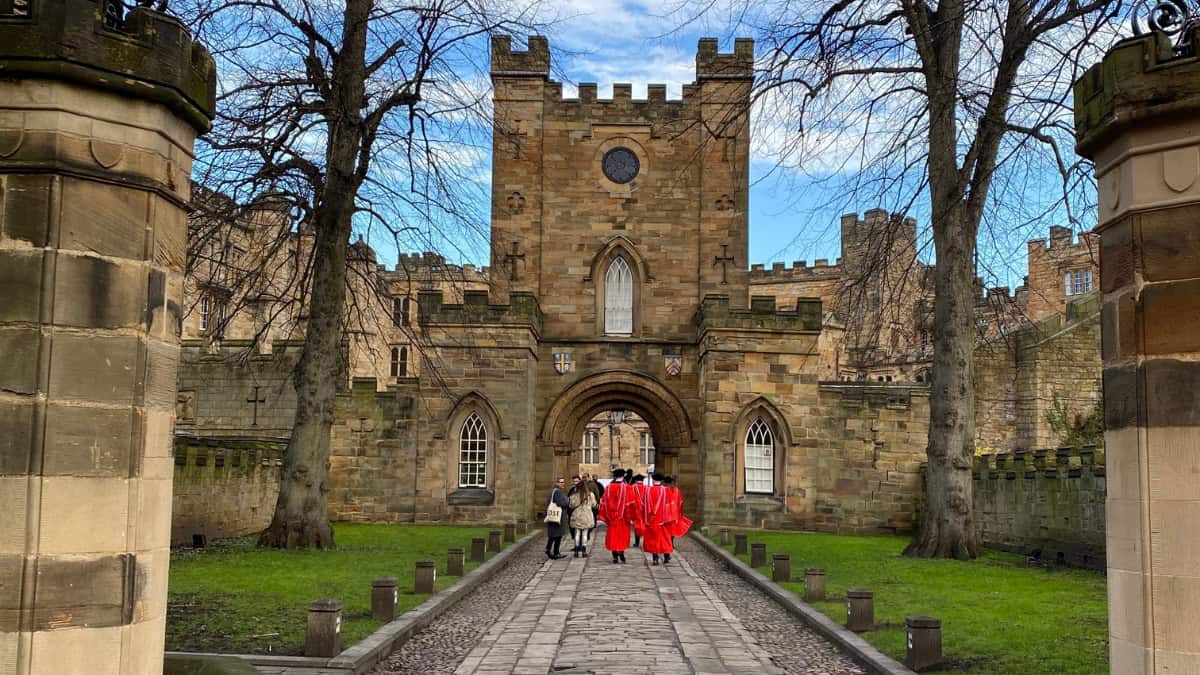
Durham University scores highly in both the Corporate Knights Better World ranking and the Times Higher Education Impact ranking, proof that it’s not just the MBA programme that focuses on sustainability—the institution as a whole is committed to environmental education.
The business school is another triple-accredited institution (just 1% of business schools in the world hold this accreditation), and the MBA programme also ranks 78th in the world according to the prestigious Financial Times MBA rankings.
Student Review
Durham University is a great place to learn and enhance skills for all. I want to give highly positive review about this University as a graduate. The amazing thing is that it is a higher ranked University and teachers are highly professional and friendly. The location of this University is in good place. Students from different areas can come here by using public transportation system easily. Besides, this University gives huge categories of course selection for any student which is great. However, I think if the sports club do more better then students could become better athletes easily. I recommend Durham University to all. Thank you.
3. University of Exeter Business School
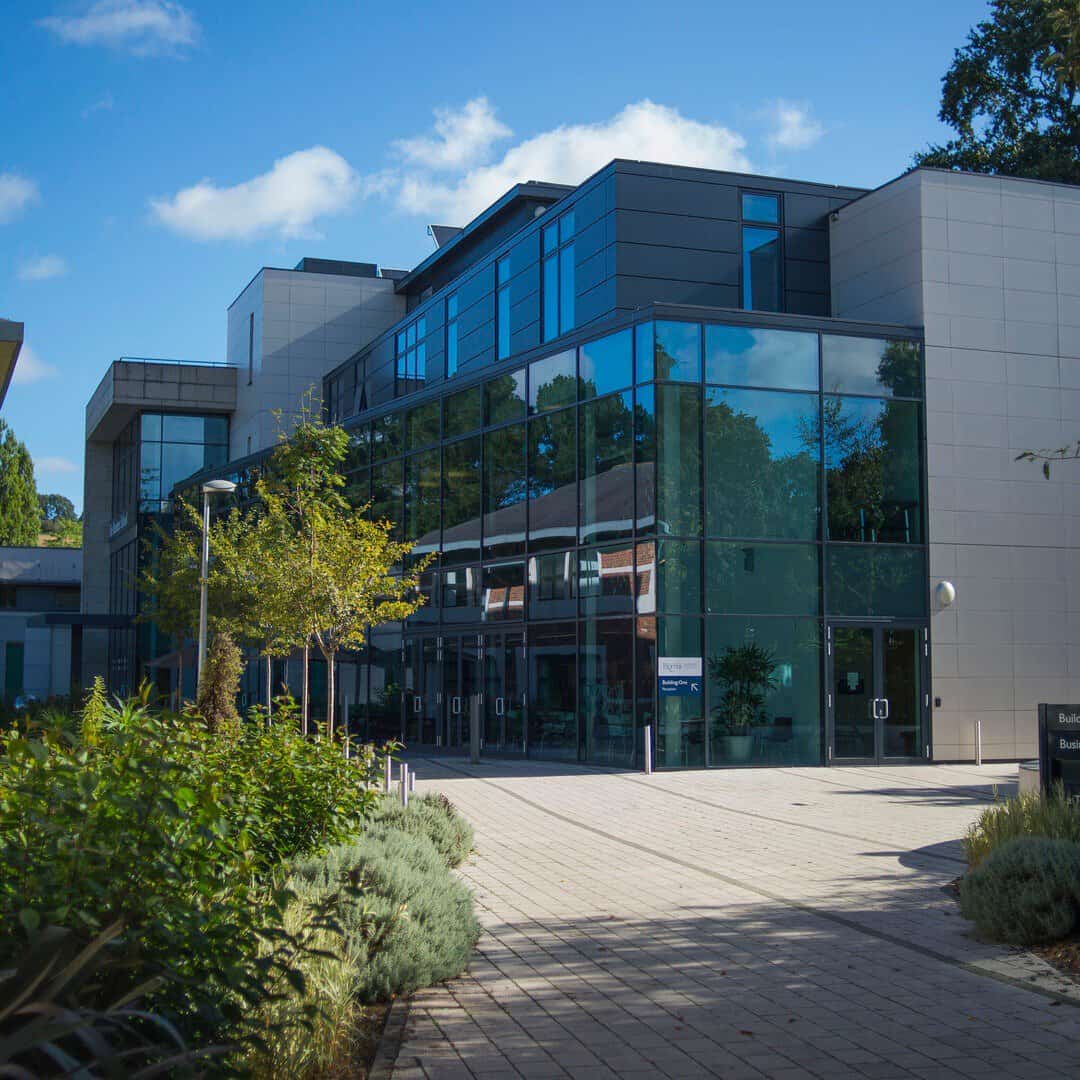
The Exeter MBA at the University of Exeter Business School has a core foundation of social impact, with students encouraged to explore how business can solve global challenges. Topics in the curriculum include corporate governance and ethics, the circular economy, and climate change. Overall, 52% of the curriculum is focused on sustainability topics.
In addition to its recognition as a strong institution for sustainability teaching, the University of Exeter is also a top 100 global university and 11th in the UK in the Times Good University Guide. Situated on the south coast of England, students have access to a strong network of impact-focused businesses located in the South West. Previously, students have worked on impact projects with organisations such as Surfwell, the World Fair Trade Organisation, and Devon Garden Foods.
Student Review
It was a great experience over the 4 years I studied at the University of Exeter. I completed a degree in Management with Marketing with Industrial Experience, which included an Industrial Placement year during the third year.
This structure allowed for unparalleled experience in the professional working environment whilst teaching the theory of business during the academic studies. There was a wide breadth of subjects allowing for business students to cater their degree to their interests and passions as they moved through their degree.
The campus and setting of the university was great as you are a 20 minute walk from the centre of the city, where there is a wide range of bars, clubs and activities that you can do.
2. TIAS School for Business and Society
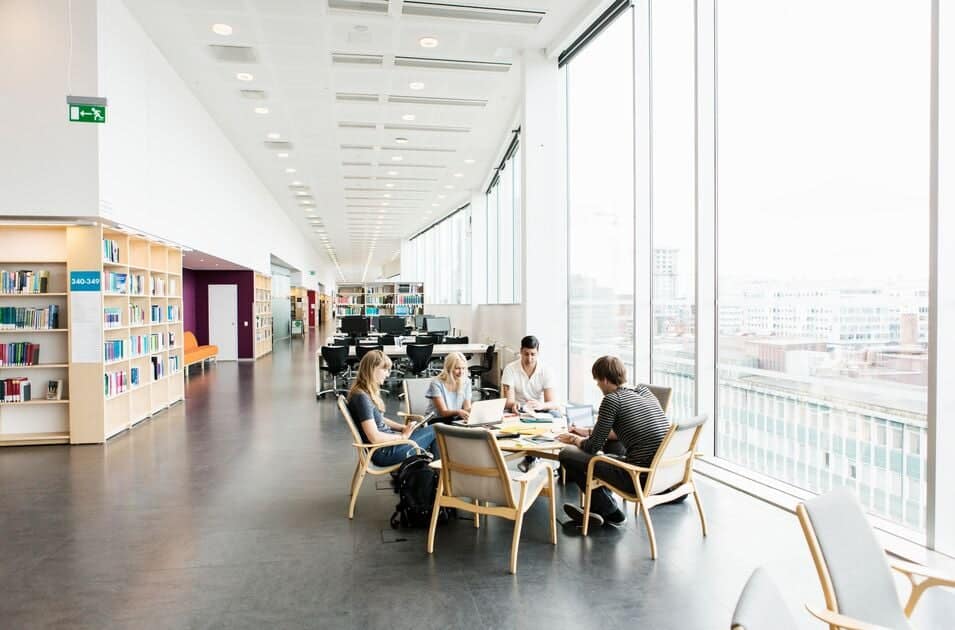
With a name like the TIAS School for Business and Society, you would expect an MBA programme to be focused on impact leadership. Based in Utrecht, the TIAS is a collaboration between the Business School of Tilburg University (TiU) and Eindhoven University of Technology (TU/e), and its core purpose is to educate students on the transformational opportunities of business for society.
The full-time MBA programme offers students the opportunity to explore the societal impacts of business on field trips, including to the EU parliament in Brussels. Additionally, students gain skills that will assist them in international careers; the Financial Times Global MBA ranked TIAS 4th in the world for international mobility.
Student Review
I remember TIAS as a place where I always had personal assistance and felt like home from the outset. Further, I have had a great time with detached professors of discussing both career and study cases.
1. The Best Sustainability MBA: Maastricht University School of Business and Economics
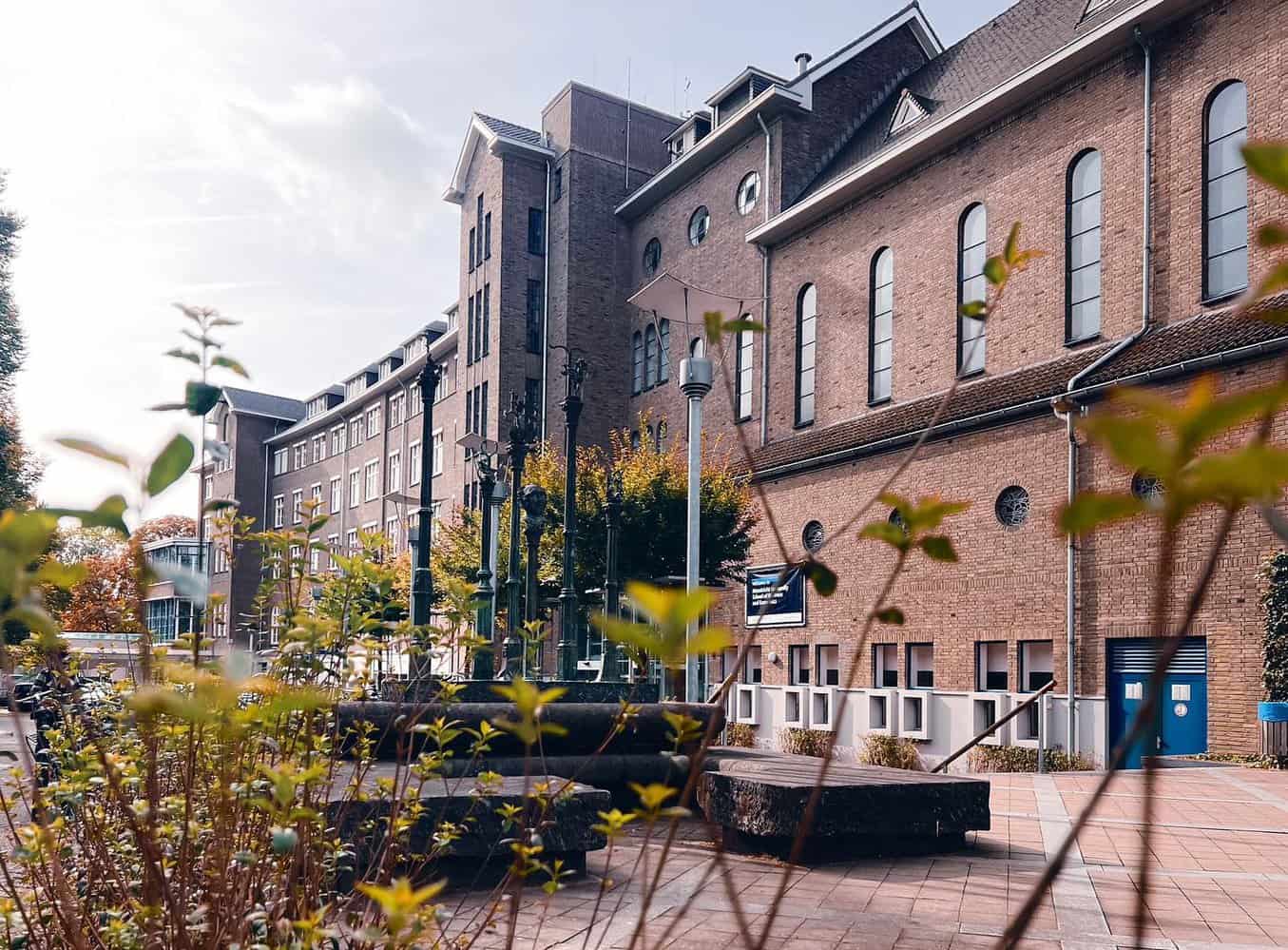
An incredible 86% of the MBA curriculum at Maastricht University – School of Business and Economics is focused on sustainability, higher than the second-ranked Sustainability MBA in Europe at TIAS. While students will explore a wide range of sustainability challenges in core modules, they also have the opportunity to specialise in one of two sustainability tracks: Responsible Leadership or Sustainable Innovation
The core curriculum includes modules in sustainable finance, change management, and developing a competitive advantage with sustainability. During the capstone Business Consulting Project, students are encouraged to use their sustainability knowledge in their problem-solving as they solve a real challenge for an organisation.
Student Review
Maastricht University is one of the most international places in whole Europe maybe even in the whole world. Students from everywhere are attending the UM classes and make the city a very warm and multicultural place. The university is known for its PBL or program based learning system which is something I really enjoyed in my first year. Students are supposed to come up with some learning goals which will be discussed in-depth in future tutorials. Each course has a length of 7 weeks in which the students are supposed to learn all the theories needed for the exam which takes place on the 8th week. Students definitely need to study in a very fast manner and spend at least 3 hours a day behind the books. Besides this, there are teamwork and real-life cases and presentations which help students bring the theory into practice. Lectures are most of the time recorded, so even if you miss one you can watch it later at home. Tutorials however have mandatory attendance of around 80% which is quite high for such education.
Conclusion

There are lots of MBAs out there. However, not many will put significant thought into teaching students about sustainability and corporate social responsibility. If you are looking for a programme that specialises in sustainability, these are the schools that excel in it.
If you want to pursue an MBA in sustainability, you should consider more than just the rankings. Consider the kind of role you’d like to pursue after your studies: do you want to work in finance, marketing, or sales? Would you like to set up your own business focusing on sustainability? Or mentor others in sustainability practices? These questions will guide you towards a programme that contains expertise on your chosen specialisms.
Now that you’ve considered some of the best sustainability MBAs in the world, it’s time to look at the costs of studying. Our blog looks at lifestyle costs and tuition costs for studying an MBA.

Related Posts :





Recent Posts
When choosing a Master's programme, most students weigh up one institution at a time. But what if you didn't have to choose? What if you could study ...
How do you actually prepare yourself for life after university? With AI rapidly impacting workplace skills and employers looking for graduates who ...

With cybercrime on the rise and hackers becoming more sophisticated, companies are more aware than ever that they lack the skills needed to combat ...
A university degree can be a valuable first step into your future career. Yet, according to one study of students in the UK, only about 50% feel ...