Maseno University
speciality:
Communication
What is a Communications degree?
Communications is a universal degree, which explores the traditional forms of communication such as verbal, physical, visual and written communication but also extends beyond that to cover mass communication and social media. There are different types of communications degrees depending on the degree level.
Overall, Communications focuses on teaching effective communication through social media, web, print, mass media and verbal communication. However, there are two types of Communications degrees that exist. For instance, a Bachelor of Arts in Communications in the US is focused on preparing students for careers that are connected to writing, marketing, promotions, journalism and public relations. In contrast, Bachelor of Science in Communications is dedicated to the technology used in the science behind modern communication and prepares students for careers in production or sound engineering.
A Communications degree teaches students about how media and communication influences cultures, societies and people’s identities. It involves a significant amount of critical writing and research and covers different disciplines such as journalism, public relations, entertainment production, marketing, event planning and so many more disciplines, which are somehow connected to exchanging information and conveying messages. There are also different specialization options associated with this degree, including political communication, mass media, journalism, health communication, etc.
It is worth noting that a Communications degree has many intersection points with psychology, sociology, linguistics and in some cases politics.
Benefits of a Communications degree
The main benefit of a Communications degree is its universal nature. It applies to almost any subject or professional setting. For example, some of the top careers in the field of Communications include announcers, art directors, editors, broadcast and sound engineering technicians, reporters, correspondents, broadcast analysts, technical writers, writers and authors, interpreters, translators, etc. Therefore, it keeps students’ career options open and doesn’t require them to have a predetermined career path that they want to follow.
Communications degrees prepare students to make an impact from the start of their careers unlike other degrees, which require further training. This is possible thanks to the multitude of professionally accredited degrees in Communications, which develop students’ abilities based on the established standards in the field. Moreover, there are many Communications courses, which offer work placement opportunities that enable students to gain the required professional skills before they have even started their career.
Another benefit associated with Communications degrees is the fact that they develop students’ written and verbal communication skills significantly.
A major advantage of Communications over other degrees is that in most cases there are no prerequisites required to study Communications.
Communications degree structure
The duration of a Communications degree varies depending on the country and degree level. For example, Higher Education Institutions in the UK offer 3-year Bachelor’s courses. In some cases, the course may extend to four years if students are given the opportunity to spend a year abroad or in industry between the second and third year through a sandwich course. Bachelor’s degrees in Communications in the US usually take around four years to complete.
Over the duration of a Bachelor’s Communications degree, students are expected to learn and be able to apply the established communications theories by developing the technical skills required to work in a professional setting. In the first year of their studies, students learn predominantly how media and communication influences cultures, societies and people’s identities. Optional modules may introduce them to professional communication, journalism, documentary, film-making, marketing, etc. In addition to the introductory topics, this degree allows students to learn about more complex areas of communications such as interpersonal relations, brand management and linguistics at a later stage. For instance, the second and third years enable students to get a deeper understanding of theoretical concepts related to media and culture and develop practical skills in research and communications. Additionally, students may have the opportunity to take optional modules and pursue their interests in different areas related to Communications such as gender, race, youth, culture, digital media, political communication, public relations, etc.
The most common duration of a Master’s degree in Communications is between 1 and 2 years depending on the mode of study (full-time or part-time) and country.
PhD and MPhil degrees in Communications require students to dedicate anywhere between 3 and 6 years to their studies depending on the mode and country of study.
6 Student Reviews
-
Journalism with ...12 Jan, 2025
 SheillahKEMaseno University
Maseno University’s Bachelor of Arts and Social Sciences program offers a solid foundation for anyone interested in understanding human behavior, social structures, and culture.
Academics:
The program provides a diverse range of courses, from sociology and psychology to political science and communication studies. What stood out for me was the flexibility to choose courses that aligned with my career goals. The lecturers are generally knowledgeable and approachable, though the availability of resources like updated course materials can sometimes be a challenge.Professors:
Many professors are highly qualified and bring valuable real-world insights into the classroom. Some stand out for their engaging teaching styles and willingness to guide students beyond academics. However, there are instances where classes feel overcrowded, which can affect the learning experience.Campus Life:
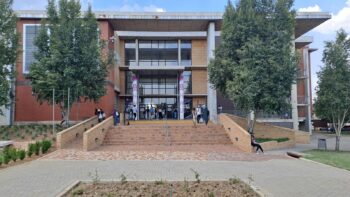
Maseno University’s serene and green environment creates a conducive atmosphere for learning. The integration of e-learning via the MIS system is commendable, though occasional technical glitches can be frustrating. The campus life is vibrant, with plenty of student organizations and cultural events to participate in, making it easy to network and make friends.Challenges:
One downside is the occasional delays in administrative processes, such as exam schedules or fee processing. Additionally, while the university is making efforts to improve infrastructure, some facilities, like lecture halls, could benefit from modernization.Overall:
View more
If you’re passionate about social sciences and looking for an affordable university with a balanced academic and social environment, Maseno is a good choice. Future students should come prepared to navigate a few challenges but will find the experience rewarding with the right mindset.Programme: Journalism with Public RelationsDegree: Bachelor'sGraduation: 2018Delivery Type: On CampusCampus: kisumu -
Journalism and ...11 Jan, 2024
 StudentKEEXCELLENCE
The environment was so scintillating, very conducive for studies and the students, staff and faculty was so divine, everyone had each others back and all activities went smoothly and was timely as a result of the same.
View moreProgramme: Journalism and Mass CommunicationDegree: Bachelor'sGraduation: 2019Delivery Type: On CampusCampus: kisumu -
Communication and ...23 Jun, 2022 StudentStudent Unions
Maseno University is a public university located in Kisumu City. The student unions are the best here as they are headed by student leaders that we elect to represent us whenever we have grievances on any matter. The leaders are very competent and they address all issues with the university management and give immediate feedback to us. We are treated with respect and all our views are taken into consideration.
View moreProgramme: Communication and Public RelationsDegree: Master'sGraduation: 2024Delivery Type: On CampusCampus: kisumu -
Communication and ...19 Jun, 2022 StudentAffordable Bookshops
Maseno University is a public university situated in Kisumu City. The university management treats its students well by providing them with all amenities necessary for their studies. Educational Facilities that are there are well maintained and are all accessible to students. Bookshops sell writing materials to us at a very affordable price and we are encouraged to buy anything we need from that bookshop
View moreProgramme: Communication and Public RelationsDegree: Bachelor'sGraduation: 2025Delivery Type: On CampusCampus: kisumu -
Communication and ...21 May, 2022 StudentGames and Sports
Maseno University is situated in Maseno, Kisumu City. The city is surrounded by a beautiful lake that attracts both local and international tourists. The lake is also a source of fish which is supplied to the university for us students to eat. Maseno University has the best sports facilities in the region. The school has evergreen playing grounds, big swimming pools that have met international standards, and a big soccer stadium. The university hosts both national and international sports competitions. I enjoy playing soccer for the school and this boosts my morale. All students are encouraged to participate fully in the sports and games. Maseno university also excels academically.
View moreProgramme: Communication and Public RelationsDegree: Bachelor'sGraduation: 2024Delivery Type: On CampusCampus: kisumu -
Communication and ...25 Apr, 2022 CynthiaSchool Calender
As many of you know, public universities have a tendency of going on strikes and that affects the school programs and their calendar. People took the time or long years than the intended 4 years of study. For Maseno University, that was a bit different because even if we had struck, it didn’t interfere with our school calendar that much.
View moreProgramme: Communication and Public RelationsDegree: Bachelor'sGraduation: 2022Delivery Type: On CampusCampus: kisumu