
Ahmadu Bello University Zaria
speciality:
Medicine And Surgery
What Is a Medicine Degree?
Saving someone’s life is perhaps one of the most remarkable feelings in the world. Even so, not so many of us have the chance to experience this. It takes passion, a strong personality and years of study to be able to work in the medical field.
Pursuing a Medical degree is not only challenging and demanding but also competitive. Medical degrees are shaped for people who show high motivation and commitment as well as interest for sciences.
Throughout a Medicine degree, candidates are equipped with a wide range of competences, from practical abilities required for specialized hands-on tasks to communication skills needed to interact with the patients. Thus, any medical students will be able to take a simple blood sample as well as perform a complex surgical procedure.
Benefits of a Medical Degree
Undoubtedly, medicine is one of the most vital fields of work – therefore there will always be a high demand of workforce needed. The employment rate for a medical graduate student is of 90%.
Due to its diverse branches, graduates from a Medical course have a variety of career choices, according to their expertise. Nursing, radiology, anaesthetics are just some of the many specialities offered in this field. Regardless of the speciality, the most important aspect needed to be taken into consideration is that medical professionals are well-respected and well-paid all over the world.
Additionally, graduates possess a series of transferable skills, such as logical reasoning, critical appraisal, listening, written and oral communication and many others. These assets are sought and highly valuable in most fields of work.
Medical Degree Structure
Medical courses are usually a six-year commitment, but it can vary according to the university. Most of the modern universities integrate clinical education with basic sciences from the beginning of the academic curriculum, while traditional institutions divide them into preclinical and clinical education.
Most schools understand the importance of practical knowledge, especially in this field, therefore they encourage the students to observe professional healthcare practitioners. Another way to gain practical experience is to go to different clinics and receive specialised training, followed by actual practical work.
No matter the practices of the university, always keep in mind that medical courses are structured differently in every country. Therefore, medical qualifications gained in one country are not necessarily recognised in another country.
3 Student Reviews
-
Medicine and ...30 Dec, 2024
 StudentNGThe school overview
Ahmadu Bello University (ABU), established in 1962 and located in Zaria, Nigeria, is one of the country’s largest and most prestigious institutions. It offers a wide range of academic programs in fields such as agriculture, engineering, health sciences, and social sciences, with a strong focus on research and innovation. ABU is recognized for its academic rigor and diverse student body, which enriches the campus experience.
However, the university faces challenges such as administrative inefficiencies, outdated infrastructure, and inconsistent internet connectivity. Student welfare, particularly in hostel accommodations and security, also requires attention. Despite these issues, ABU remains a top choice for students seeking a quality education in Nigeria, with continued efforts to improve its facilities and services.
View moreProgramme: Medicine and SurgeryDegree: Bachelor'sGraduation: 2028Delivery Type: BlendedCampus: Kaduna -
Medicine and ...30 Dec, 2024 StudentNGAcademics, campus, school life and much more
1. Academic Reputation
ABU is known for its strong academic programs across various disciplines, including medicine, engineering, law, social sciences, natural sciences, and humanities. The university offers undergraduate and postgraduate degrees, and its medical and engineering schools are particularly well-regarded. However, the quality of education can vary between departments, and there are occasional concerns about outdated curriculum and resources.
2. Campus and Facilities
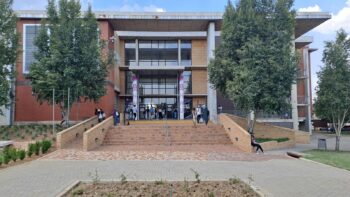
The university’s main campus in Samaru, Zaria, is expansive and provides a conducive learning environment. The campus has libraries, lecture halls, and laboratories, though some facilities require modern upgrades. The university is also home to a secondary school, research institutes, and a teaching hospital. However, there have been ongoing challenges related to infrastructure, such as insufficient housing for students and faculty, and occasional power outages.
3. Research and Innovation
ABU has made significant strides in research, particularly in fields like agricultural sciences, medicine, and technology. The university’s research output has contributed to development in Nigeria, though funding and support for research activities can sometimes be limited.
4. Student Life
Student life at ABU offers a mix of academic rigor and vibrant extracurricular activities. There are various student associations, sports teams, and cultural activities. However, students have voiced concerns about the state of hostels, overcrowded lecture halls, and the need for more student support services.
5. Location
Zaria, where ABU is located, is a major city in northern Nigeria. It’s historically significant and offers students a unique cultural and social experience. While the city is not as bustling as some larger Nigerian cities, it offers a relatively peaceful and conducive environment for studying.
6. Challenges
Like many Nigerian universities, ABU faces challenges such as underfunding, strikes due to labor disputes, and the need for better infrastructure and technology. These issues can disrupt the academic calendar and impact the overall experience for students.
7. Community Engagement
ABU is deeply involved in community outreach and development projects, particularly in areas like health, agriculture, and education. The university’s extension services help bridge the gap between academia and local communities.
View moreProgramme: Medicine and SurgeryDegree: Bachelor'sGraduation: 2027Delivery Type: BlendedCampus: Kaduna -
Bachelor of ...28 Dec, 2024 StudentNGMy medical background
I love the university because of it’s diversity in culture, religion,race ,and ethnicity.
View more
They have the best teaching environment in western Africa and best in Nigeria ,the lectures are good
There’s good understanding between students and teachersProgramme: Bachelor of Medicine, Bachelor of SurgeryDegree: Bachelor'sGraduation: 2022Delivery Type: On CampusCampus: Kaduna