Egerton University
Speciality : Management
programme:
BCom in Management
2 Student Reviews
-
BCom in ...10 months ago
 StudentKEKenya’s Agricultural Powerhouse
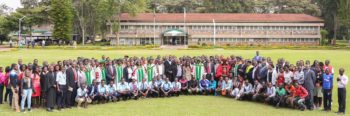
Egerton University, one of Kenya’s oldest institutions of higher learning, is widely recognized for its strong emphasis on agricultural and environmental studies. Located in Njoro, Nakuru County, the university offers a serene and green environment ideal for learning and research. Its main campus is particularly known for spacious grounds, relatively low levels of urban distraction, and a peaceful atmosphere that allows students to focus on their academic work.
On the positive side, Egerton University has a proud legacy of academic excellence, especially in agriculture, animal sciences, education, and natural resource management. The institution boasts well-equipped laboratories, experienced faculty, and partnerships with research institutions both locally and internationally. Its graduates are generally considered competent and well-prepared, especially in practical and scientific fields. The university also supports co-curricular activities, with active student clubs, sports teams, and outreach programs that promote holistic development.
However, like many public universities in Kenya, Egerton faces several challenges. Students have occasionally experienced delays in academic calendars due to staff strikes, administrative issues, or funding shortfalls. Infrastructure, while decent in core faculties, can be uneven across departments, and some facilities may feel outdated. There have also been concerns regarding responsiveness of administration and access to modern digital resources, particularly for students in non-agricultural disciplines.
In summary, Egerton University offers a solid academic foundation—particularly for students pursuing agricultural and environmental sciences—but could benefit from improvements in infrastructure, administrative efficiency, and modernization across all faculties. It remains a reputable institution, but one that needs continued investment and reform to meet the changing needs of higher education.
View moreProgramme: BCom in ManagementDegree: Bachelor'sGraduation: 2012Delivery Type: On CampusCampus: Njoro -
BCom in ...10 months ago
 JeremiahKEAppreciation
“What I liked most about my university course was how it challenged me to think critically and solve real-world problems. I enjoyed the practical aspects, like fieldwork, group projects, and case studies, which helped me apply theory in a hands-on way. It also helped me build strong analytical and communication skills.”
“What I didn’t enjoy as much was that some units felt overly theoretical and less connected to real industry applications. While they were important for foundational knowledge, I always preferred the parts of the course that were more interactive and directly linked to real-world scenarios
View moreProgramme: BCom in ManagementDegree: Bachelor'sGraduation: 2022Delivery Type: On CampusCampus: Njoro