Sapienza – Università di Roma
Speciality : Psychology
programme:
Psychology
4 Student Reviews
-
Psychology3 months ago
 396e69f1-091f-4a10-aa24-7eabd6b81667ITFaculty of Psychological Sciences and Techniques
Courses were held in dilapidated classrooms, with unclear procedures for scheduling exams, recording grades, and requesting interviews. In most cases, it was pointless to follow, as it was just another slide after slide. Books had to be purchased in their original form and brought to the exam to supplement the professor’s income. Well, there are some flaws, too…
View moreProgramme: PsychologyDegree: Bachelor'sGraduation: 2013Delivery Type: On CampusCampus: Rome -
Psychology3 months ago StudentITInteresting
Competent professors and interesting courses. A bit redundant maybe, but flow really well and feel very informative. Could be more technological/accessible.
View more
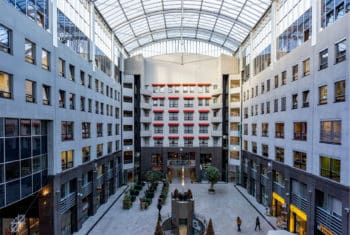
The facilities are not very good and there’s not enough student support.Programme: PsychologyDegree: Master'sGraduation: 2026Delivery Type: On CampusCampus: Rome -
Psychology11 months ago StudentITUniversity in the Capital
Living in Rome is magical, and the university experience is no exception. Still, the Italian education system is very outdated, and that becomes clear to all italians only when they travel abroad.
View more
Professors, like all people, range from wonderful to rather problematic, but the institution itself is a massive machine weighed down by slow bureaucracy.
That said, it’s essantial mentioning the many handouts and scholarships that made it possible for me, and many others, to attend without having to payProgramme: PsychologyDegree: Bachelor'sGraduation: 2025Delivery Type: On CampusCampus: Rome -
Psychology23 Jun, 2022 StudentAn experience to grow up and improve your skills
I studied Psychology at Sapienza’s University in Rome, and I like it very much. The program was complete and varied and teachers were prepared and open to answer our questions or doubts, I think in general the school is good, but because of the large number of students, It sometimes results chaotic and hectic at first. About what the school can improve, what can I say…communication between administrative Office and students.
View more
I’m proud to be a Sapienza’s University, because it helps me to never give up, and to face up to every “accident “, with the right mood.Programme: PsychologyDegree: Master'sGraduation: 2016Delivery Type: On CampusCampus: Rome