Tampere University - TUNI
speciality:
Computer Science
What Is a Computer Science Degree?
The passion for technology can lead you to choose the specialisation of Computer Science. This field has become increasingly popular in recent years, the development being so rapid that people are trying to keep up with it.
A Computer Science degree deals with the theoretical and practical foundations of information technology and computers. The scientific part merges with the practical one in various algorithms, information processing or in computational models. This specialisation often aims to study methodological processes, making representations on a computer, storage, or accessing information.
At the same time, the study of Computer Science focuses on the learning of programming languages, which are extremely important for any student. Python, C ++, Java are just a few of the programming languages that are explored in depth by students in order to solve the applications received from the faculty. Furthermore, on the labour market, programming languages are highly appreciated and integrated, being a useful tool for optimal performance of industries.
Benefits of a Computer Science Degree
The most important skill that young people learn following this degree is the use of programming languages. Once they grasp the logic of programming, they will easily be able to master the languages and build or develop WEB applications. Additional skills that are acquired can be: network design and engineering, software engineering, multimedia design. In addition, classical skills such as teamwork, leadership, problem-solving or time management are also gained by students.
According to recent studies, 6 of the 10 best jobs chosen by graduates are linked to Computer Science. These include Web Design, Computer Support Specialist, IT Operations Technician or Database Administrator. Moreover, the employment rate is favourable to the students, being over 70%. Due to the rapid advancement of technology, it is expected that the supply will grow in the future, requiring computer science specialists in any field.
Computer Science Degree Structure
To study Computer Science, students can either pursue university courses or follow courses online, depending on their availability and income. Online or outside-university courses include disciplines such as: Information Systems Management, Game Programming, Web Development, Network Fundamentals. They usually have a duration of 2 years. Although these courses provide important skills in this specialisation, students may be disadvantaged when competing with a student who has a Bachelor’s Degree. Some of the most important campuses in the world include Penn State World Campus, University of Massachusetts, Lowell (The Division of Online Learning and Continuing Education), Saint Leo University.
The Bachelor in Computer Science lasts around 3 to 4 years, depending on the university. Throughout the programme, students acquire mathematical knowledge, theoretical and practical foundation in programming. Some of the subjects discussed are: Computer Programming, Data Structures, Databases, Algorithms, Linear Algebra, Probability Theory or Statistics. These vary according to the curriculum of the university.
A Master’s program complete the students’ necessary career skills. In this way, they have a greater understanding of computing softwares, tools, packages, and computer architecture.
There are Master programs that can be followed even by those who have not undertaken undergraduate studies in Computer Science, such as those offered at the University of Birmingham for example. These programs can take either 2 to 5 years.
A PhD program is especially dedicated to those who want to research or become university professors and can last between 4 to 5 years.
6 Student Reviews
-
Software Development3 months ago
 StudentFIGreat learning environment with supportive faculty
I had a very positive experience at Tampere University. The programme was well-structured and offered a good balance between theoretical knowledge and practical applications. The professors were knowledgeable, approachable, and supportive throughout my studies.
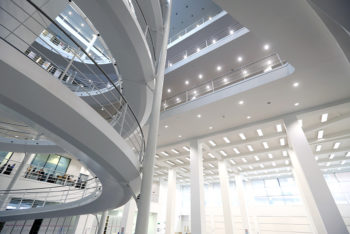
The university provides excellent facilities, modern campuses, and a welcoming international environment. I especially appreciated the opportunities to collaborate with students from different backgrounds and participate in research and project-based learning.
While some administrative processes could occasionally be slower than expected, the overall academic experience was excellent. I would definitely recommend Tampere University to students looking for high-quality education, a friendly atmosphere, and strong career development opportunities.
View moreProgramme: Software DevelopmentDegree: Master'sGraduation: 2026Delivery Type: BlendedCampus: Tampere -
Automation and ...25 Mar, 2023 StudentFICampus area is pretty modern and spacious
Quality of teaching has gone down a bit since the universities in Tampere combined. It’s been challenging times due to uni reformation and covid at the same times. However, there maybe a new hope along with the new head teacher from another Finnish university.
View moreProgramme: Automation and Applied InformaticsDegree: Bachelor'sGraduation: 2023Delivery Type: BlendedCampus: Tampere -
Information Technology13 Jul, 2018JenniThe Time of Your life - High-quality Education & Incredible Student Community Like a Family
Never have I felt this much like being at home. I have spent the best years of my life studying in TUT, and can most definitely recommend the TUT experience to everyone interested in developing themselves in a modern, high-quality university with the feeling of belonging to the student family! The studies encourage a lot of team work, which increases the social aspect of studies and lets the students get to know each other very well. The student organizations, on their behalf, do also support the social side of studies by offering an unbelievably large variety of events and activities from very academic and professional all the way to pure networking. See you at TUT! 🙂
View moreProgramme: Information TechnologyGraduation: 2020Campus: Tampere -
Information Technology13 Jul, 2018MikkoA real technology hub with modern facilities and unique opportunities
TUT is a modern technology center with a lot of companies and industry collaboration to be found from the campus. The campus area is very compact and offers some of the best working facilities that I’ve seen in Europe (with a 24/7 access!). Education is of high quality even by Finnish standards and students can modify their studies pretty freely which allows the assembly of a very valuable personal skillset.
View moreProgramme: Information TechnologyGraduation: 2021Campus: Tampere -
Information Technology03 Jul, 2018
 ToniOne of the best
TUT is a very large complexity of various fields of studies for anyone who is little interested in anything about technology. They have many, very experienced lecturers who are really into what they are teaching. The quality of most of the courses is very high. You can always get help when you need it. A little minus for using such old technologies in these basic programming courses as I’m using a lot more advanced technologies in my work which could be used in TUT for teaching and it would be more convenient.
View moreProgramme: Information TechnologyGraduation: 2021Campus: Tampere -
Information Technology03 Jul, 2018 StudentGreatest exchange of my life
I was in exchange here for one year in 2016. During that year I was welcomed by other teekkaris (technology students). There were all kinds of clubs and organisations to help me enjoy my stay. Local ESN INTO did a super great job by organising us different kind of events.
View more
The university itself is located approximately 8km away from city centre. Luckily you didn’t have to go there often since there are shops and accommodation nearby. University is 24/7 open for its students and you can study there even in the middle of the night. I only slept at my accommodation since everything was so comfy at TUT.
Lecturers were really nice, they answered all our questions and didn’t mind that we used their first names. I even drank coffee with one lecturer and discussed about algorithms! Finnish universities themselves are so different to ours that this doesn’t even feel like studying. I strongly recommend applying there at least for your exchange!Programme: Information TechnologyGraduation: 2016Campus: Tampere