Sofia university ST. Kliment Ohridski (reviews)
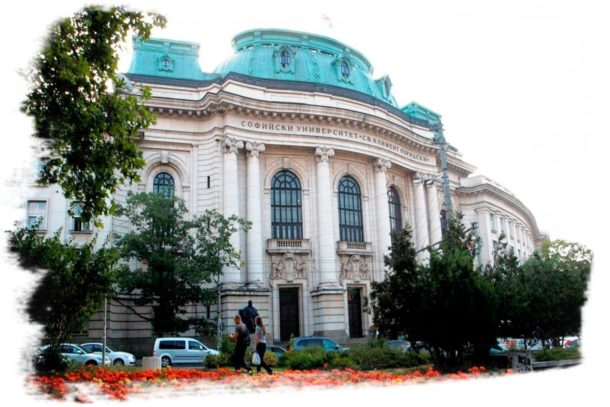
Study at Sofia university ST. Kliment Ohridski
Sofia university ST. Kliment Ohridski ratings and description
FREQUENTLY ASKED QUESTIONS ABOUT Sofia university ST. Kliment Ohridski
- Accounting & Finance
- Biological Sciences
- Politics
- English Language & Literature
- International Relations
- Sofia, Bulgaria
Studies with verified reviews






30 Student Reviews
-
Social Studies7 months ago
 StudentBGHistory and inspiration
Till this day i am still studying in this university persuing my Bachelors’s degree. My experience in the university has been pleasant. I find it really disciplined and very well focused on giving quality education.
View moreProgramme: Social StudiesDegree: Bachelor'sGraduation: 2025Delivery Type: BlendedCampus: Sofia -
Medicine10 months ago StudentAEA Disappointing and Overwhelming Experience
Most of my negative experience at Sofia University St. Kliment Ohridski stems from the mishandling of the COVID-19 pandemic. Classes were suspended for months with little communication, and when they resumed, several months of coursework were condensed into just a few weeks. This created an unmanageable workload—especially unacceptable for a demanding degree like medicine.
View more
There was a noticeable lack of adaptability to modern educational tools and digital platforms, highlighting the university’s resistance to edtech innovation. Many professors, unfortunately, demonstrated unprofessional behavior—often being outdated in their teaching methods, and at times even displaying racist or inappropriate attitudes.
Administrative support was severely lacking. A single staff member was tasked with supporting over 1,000 international students, making even basic administrative tasks difficult and frustrating. On top of that, there was no support or events designed to help expat students adjust to a new culture or environment, leading to a deeply isolating student life.
Overall, the lack of structure, outdated systems, and poor support made the academic and social experience extremely stressful. I would not recommend this university to international students seeking a supportive, modern, and inclusive learning environment.Programme: MedicineDegree: Master'sGraduation: 2024Delivery Type: On CampusCampus: Sofia -
European Studies11 months ago StudentBGPretty good programme
Sofia University is maybe the best education you can get in Bulgaria. The problem is with the bureaucracy and the poor administration. They don’t involve you as much as I would like in the university. You just have to attend lectures and get good grades which is not the point at all. No students groups (or poorly facilitated). Most of the professor are demotivated and just teaching for the money. Some of them even don’t care the slightest to even show up for lectures and informs us for that. In European Studies (Faculty of philosophy) is somewhat better than the International security (in the Law faculty). They don’t have as much bureaucracy and the teachers (most of them) actually want to teach you and provide you with decent and quality information. Overall the university can do better but I see slow progress overtime with everything. But I have to say that some professors use the students (and their knowledge and work) so as to gain money from a European projects.
View moreProgramme: European StudiesDegree: Bachelor'sGraduation: 2024Delivery Type: BlendedCampus: Sofia -
European Studies11 months ago StudentBGA strong academic choice
Overall, I am satisfied with my experience at Sofia University. My programme was interdisciplinary, which I found to be one of its strongest aspects. The structure allowed for profile-based specialization, giving students the chance to choose subjects that truly interested them. This flexibility helped me focus on areas that aligned with my goals and kept me motivated throughout my studies.
View more
I gained a lot of useful knowledge, both academically and professionally, and had the chance to learn from some excellent professors who were passionate about their subjects.
That said, not all lecturers were equally engaging—some lacked the ability to communicate effectively and didn’t create an inspiring learning environment, which occasionally impacted my motivation.
Still, I would recommend the university for its strong academic foundation, the opportunity to tailor your education, and the valuable interdisciplinary approach.Programme: European StudiesDegree: Bachelor'sGraduation: 2024Delivery Type: On CampusCampus: Sofia -
Philology11 months ago
 IvetaBGBulgarian Philology - gives you new perspective
Sofia University is Bulgaria’s oldest and most prestigious university, and its Faculty of Slavic Studies, which houses the Bulgarian Philology program, is well known in academic circles. The program offers a diverse and structured program of study in Bulgarian language, literature, history, and linguistics. It has a good grounding in the traditional philological sciences and is an appropriate preparation for teaching, journalism, editing, translation, and cultural pursuits.
One of the strengths of the program is the caliber and dedication of several professors, who are excellent scholars in their own right. The coursework is rigorous and demanding academically, inducing solid analysis and writing skills. Students enjoy a good mix of electives and research projects to work on, publishing, and cultural events.
All that aside, the program could be enhanced in a few areas, especially concerning digital resources, interdisciplinary approaches, and hands-on practice. Administrative processes within the university can be slow or confusing at times, which is a common issue in most large public universities.
In general, my Bulgarian Philology and university experience was mentally enriching and rewarding on a personal level. It allowed me to develop critical thinking, deep appreciation for language and literature, and good communication skills that I continue to use in my professional life. It’s defenetly worth it!
View moreProgramme: PhilologyDegree: Bachelor'sGraduation: 2025Delivery Type: On CampusCampus: Sofia

Register for free to see all reviews
Register / LoginQuestions and Answers
This section is only for questions about the university. Please avoid posting reviews here.
Featured Reviews from other universities





You might like these Universities