
Still deciding where to go for your postgraduate studies? Aside from settling on a field of study, you might also wonder which universities can give you the most support during your intensive journey. We’ve interviewed two postgraduates in South Africa to find out what it’s like to be a postgraduate student at North-West University (NWU).
Pursuing postgraduate study can be a nerve-wracking time. A master’s degree or PhD may be the highest level of education you achieve in your lifetime; it represents the pinnacle of learning in your chosen subject. So, selecting an institution where you can receive the best support and guidance during your postgraduate journey is essential.
North-West University (NWU) is located in South Africa, with campuses in Mahikeng, Potchefstroom, and Vanderbijlpark, and is an academic institution with a lively student community. Here, postgraduate students can benefit from a valuable academic network, top academics, and a vibrant, multicultural student body.
Dr Munienge Mbodila and Tiaan Mare are two people who know exactly what it’s like to be a postgraduate student at North-West University.
Tiaan is currently pursuing a Master’s in Industrial Engineering at NWU, while Dr Mbodila recently graduated with a Doctor of Philosophy (PhD) in Computer and Information Science with Computer Science and Information Systems and also completed his Master’s degree at NWU.
In this article, Dr Mbodila and Tiaan give insights into their postgraduate student experiences at North-West University and offer tips for those looking to begin their postgraduate journey at NWU, in South Africa, or elsewhere.

Dr Munienge Mbodila and Tiaan Mare
Life as a postgraduate student at North-West University

NWU offers a wide range of postgraduate degrees across eight faculties: Economic and Management Sciences, Education, Engineering, Health Sciences, Humanities, Law, Natural and Agricultural Sciences and Theology.
Postgraduate studies require students to complete a written thesis in addition to practical work to gain vital employment and soft skills. Tiaan says this practical training was a key highlight of his master’s studies.
“My studies have enabled me to delve deeper in my field and explore some of the existing boundaries within the body of state-of-the-art knowledge,” he notes. “This independent form of research not only builds on what you learn during undergrad studies but allows one to contribute new insights to the field. As an industrial engineer, this skill is invaluable as continuous innovation and staying ahead of the curve is what leads to success.”
Dr Mbodila highlights the high level of support from the NWU community throughout his postgraduate journey, particularly from his mentors and research supervisors.
“The support received from my promotor, Professor Bassey Isong, in the last years of my completion was priceless,” Dr Mbodila attests. “Professor Bassey offered me invaluable academic guidance and support in conducting the research and finalisation of my thesis.
“Additionally, being mentored closely by Professor Verona Leendertz, an experienced professor passionate about research, was a significant highlight. Her mentorship and willingness to support me during my research had a significant impact on my career.”
Professor Verona Leendertz’s mentorship and willingness to support me during my research had a significant impact on my career. – Dr. Mbodila
Experiential learning opportunities for postgraduates
A postgraduate degree can be a valuable project in and of itself, but many students use their studies to embark on a specific career, whether in academia or industry. Consequently, postgraduate students must be supported with skills acquisition and experiential learning opportunities during their degrees.
In addition to independent research skills, Tiaan notes that NWU postgraduates acquire advanced skills in communication, critical thinking, time and stress management, and even self-motivation and persistence throughout their studies.
“Throughout my postgraduate studies, I have been challenged to communicate complex concepts in a logical and clear way that both field professionals and non-field professionals would understand,” Tiaan adds.
“This form of communication through report writing, presentations and discussions transcends the academic world and is something that I will use daily in professional environments.”
Tiaan also highlights the personal development opportunities at NWU, including workshops on leadership and teamwork.
“If students are interested in starting their own business, the NWU provides programmes, resources and funding opportunities to aspiring entrepreneurs,” he adds.
Postgraduate Career Support at NWU

Support and guidance shouldn’t end when your studies end. Preparing for your future career is critical to studying for a postgraduate degree, particularly if you take multiple years out of work to complete it.
“The Careers Service at NWU helps students find careers by offering a range of support incentives, including guiding students in compiling effective CVs and providing interview training to help students showcase their skills and talents to employers,” explains Tiaan.
Dr Mbodila says, “NWU is known for its strong academic programs and commitment to research and innovation. Being an alumnus means receiving a quality education that equips me with the knowledge and skills needed to succeed in my field.
“The university also emphasises the importance of contributing to society through research, community engagement, and ethical leadership. Being an alumnus means I am part of a legacy of individuals striving to impact.”
Top Tips and Advice for Prospective Postgraduate Students
1. Focus on your personal goals
Tiaan points out that it’s all too easy to compare your postgraduate journey to others’. However, to succeed, you should find personal goals to attain.
“While a competitive mindset can be beneficial, it’s more effective to focus on comparing yourself to who you were yesterday,” he notes.
“Be patient with yourself; consistent effort over time will lead to significant progress, and if you look back one day, you will be surprised at how far you’ve come.”
Dr Mbodila agrees, advising prospective postgraduate students to stay focused on exactly why they want this particular degree. “Whether it’s to advance in your career or delve into a subject you’re passionate about, [postgraduate students] must have clear goals that will keep them motivated, focused and determined,” he says.
2. Make time for hobbies
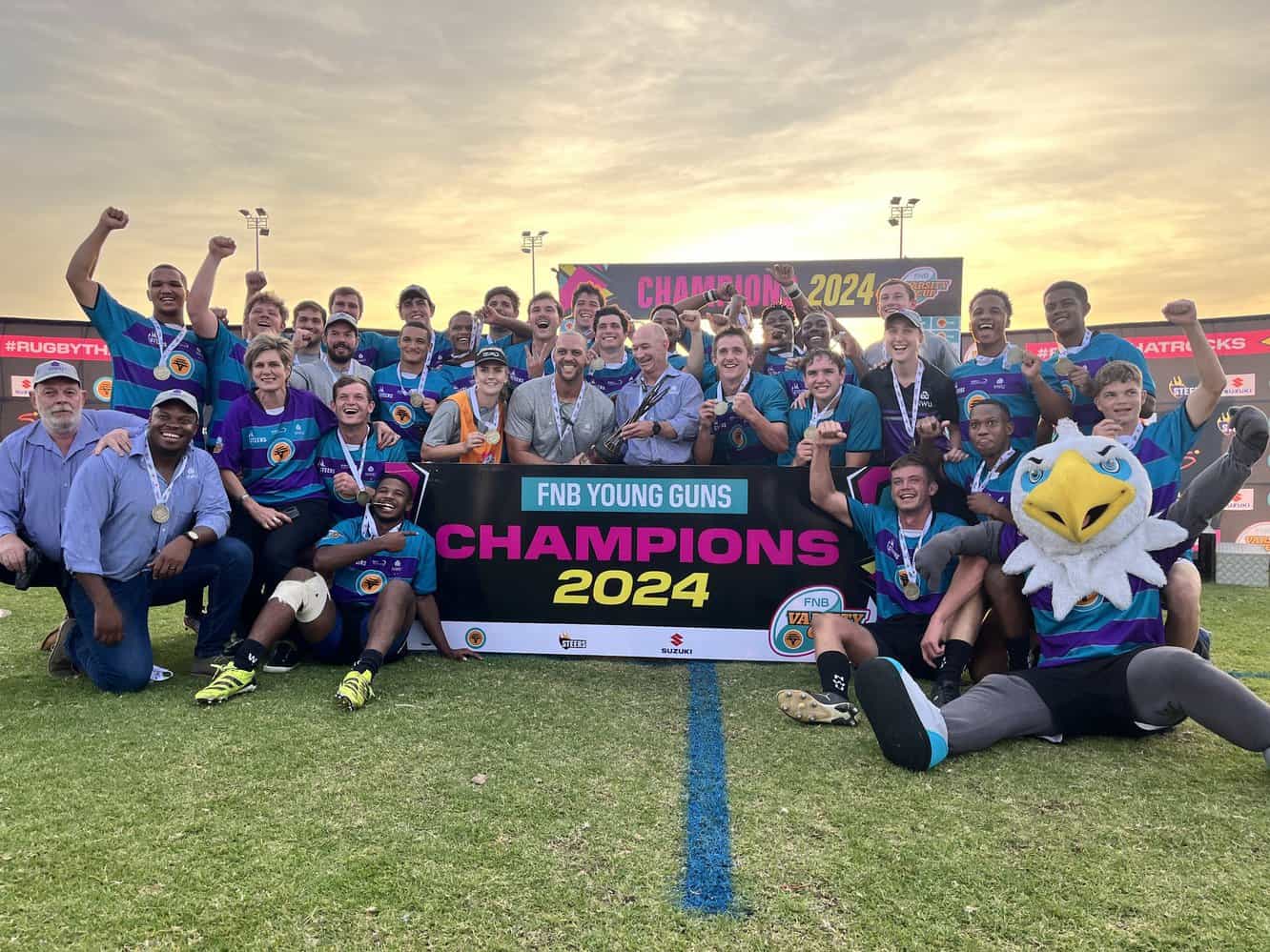
There’s no denying that pursuing a postgraduate degree can be challenging. Expect many deadlines, lots of reading, and the responsibility of working alongside top academics.
In this environment, making time for your hobbies and personal interests is even more important.
“I highly recommend having at least one physical activity as a hobby, whether its sports or working out to boost your physical health as well. Anything is fine as long as you step away from that desk and do something you enjoy!” says Tiaan.
“Make time for hobbies, exercise, and socialising to keep yourself grounded and prevent burnout, and don’t hesitate to seek help if you’re struggling, whether it’s with research, supervisor or personal issues,” adds Dr Mbodila.
3. Keep an Open Mind
Postgraduate skills like critical thinking and independent learning stay with you after you’ve graduated, and that’s valuable. Dr Mbodila and Tiaan both advise postgraduate students to stay curious and open to new experiences, both during your course and after you’ve graduated.
“Postgraduate studies can lead you down paths you hadn’t initially considered,” says Dr Mbodila. “Beyond academic and research knowledge, focus on developing soft skills like communication and self-motivation, and stay open to new opportunities, ideas, and unexpected opportunities.”
“This mindset will open you to new technologies, ideas and approaches you might never have considered before. Continuous learning will keep you relevant in your field and open up new opportunities,” adds Tiaan.
proud to be a North-West University alumnus
Dr Mbodila has just graduated with the second of his postgraduate degrees from North-West University—so what makes him excited to be a new member of the NWU alumni community?
“NWU fosters a diverse and inclusive environment where students from various backgrounds and ethnic groups come together to learn and grow; as an international student, this diversity enriches my educational experience and prepares me for global work,” he explains.
“I am looking forward to contributing to the institution!” Dr Mbodila adds. “The experiences I had during my time at NWU, whether through challenging situations and interaction, happy moments or meaningful relationships, shaped who I am and left a lasting impression on my life and career.”
Thank you to Dr Munienge Mbodila and Tiaan Mare for contributing their perspectives to this article. You can hear more about Dr Mbodila’s postgraduate journey in this video.


Related Posts :



Recent Posts

A Master of Science (MSc) degree from a French business school can prepare you for careers in a wide range of industries – but how do you decide on ...
Rennes School of Business is located in the historic town of Rennes, the capital of Brittany. This is one of France’s most popular student cities, ...

We created the EDUopinions Student Reviews Guide to highlight students' opinions of universities. All of the rankings we produce as part of the Guide ...

The University of Pécs in Hungary ranks among the top 1,000 universities in the world, and in the top 300 in Europe. Located in one of Hungary’s best ...