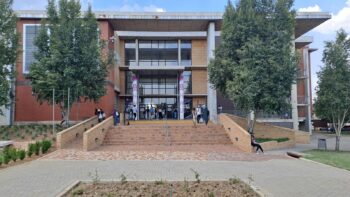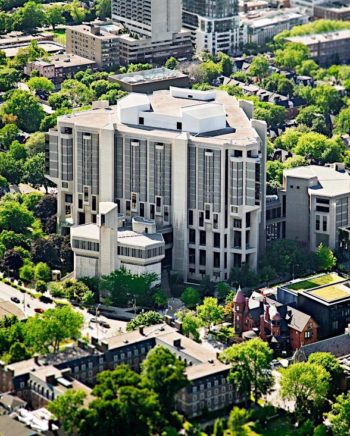

The University of Texas at San Antonio
speciality:
Management
What is a Management degree?
A Management degree builds a strong foundation in a wide variety of fields including business, finance, economics and marketing. It develops students’ understanding of business practices, structures, business theory, business strategy and research as well as global economies and financial markets. Doing a Management Degree also allows students to gain skills that enable them to work with financial and numerical data effectively.
Management degrees cover different managerial roles, such as Human Resource (HR) management, hospitality management, innovation management, operations management, etc. They can be specialized into one of the areas mentioned above or follow a more general approach that covers most of these areas.
The range of management degrees is huge and includes Business Management, Management, Marketing Management, etc. They are predominantly offered in the business departments/business schools/management schools of different universities.
Benefits of a Management degree
One of the main benefits of this degree is that Management is a broad discipline, which keeps students’ career options open.
Management degrees could have a very practical focus, which is an opportunity for students to gain experience in the process of completing their degree before having started their professional careers. Management courses usually offer work placements and practical modules, which include business simulations and business creation in a simulated environment. Acquiring practical experience through these opportunities could make students stand out from the crowd in the job market once they graduate. Research-oriented Management degrees also exist for those who prefer the theoretical aspects of such a degree. Most courses, however, have established a good balance between theory and practice in order to meet the needs of all students.
Management degrees also prepare students to serve the managerial role across a wide range of areas, including HR management, hospitality management, innovation management, operations management, etc. Students can specialize in one particular area or focus on gaining knowledge across all of these areas thanks to the high availability of different management courses.
Additionally, there is a high demand for management professionals in the contemporary business world. Therefore, taking a management course is an opportunity for students to kick-start their careers and occupy a higher position in the organizational hierarchy.
management degree Structure
Management courses usually begin by introducing students to different areas covered by the managerial role, such as organizational management, business environment, statistics, accounting and finance, business growth, etc. After the first year, institutions allow students to explore the management discipline into more depth by delivering specialized modules and offering optional modules, which enable students to choose subjects that interest them the most and are most relevant to their career aspirations.
Management degrees take 3 years to complete in the UK. However, their duration could extend to 4 years if students choose to spend a year in industry between their second and third year, which is a popular option among the student community. Setting placement opportunities apart, the duration of a Management degree depends on three main factors – country, mode of study (part-time or full-time) and degree level. Below are listed the approximate durations of Management degrees in the most popular countries for Higher Education in Europe:
- Management degrees’ duration in the UK:
- Bachelor’s in Management: 3 years full-time and 6 years part-time
- Master’s in Management: 12 months full-time and 36 months part-time
- PhD in Management: 3-6 years
- Management degrees’ duration in the Netherlands:
- Bachelor’s in Management: 3-4 years
- Master’s in Management: 1-2 years
- PhD in Management: about 4 years
- Management degrees’ duration in Spain:
- Bachelor’s in Management: 3-4 years
- Master’s in Management: 1 year
- PhD in Management: 3 years full-time and 5 years part-time
- Management degrees’ duration in Germany:
- Bachelor’s in Management: 3-4 years
- Master’s in Management: 1-2 years
- PhD in Management: 3-4 years
- Management degrees’ duration in France:
- Bachelor’s in Management: 3 years full-time
- Master’s in Management: 1-2 years
- PhD in Management: 3-6 years.
- Management degrees’ duration in the US:
- Bachelor’s in Management: 4 years
- Master’s in Management: 2 years
- PhD in Management: 4-6 years.
1 Student Reviews
-
Master of ...26 Feb, 2025
 StudentUSEnriching UTSA Experience with Some Drawbacks
The University of Texas at San Antonio (UTSA) offers a vibrant and diverse campus environment that fosters both academic and personal growth. As a student majoring in neuroscience, my journey at UTSA has been enriching, though not without its challenges. Here’s a breakdown of my experience:
What I Liked:
Diverse Community and Supportive Environment:
UTSA is known for its inclusive and welcoming atmosphere. The diversity on campus has allowed me to learn from peers of various cultural backgrounds, enhancing my perspective and enriching my overall experience. The faculty and staff are approachable and genuinely invested in student success.Academic Opportunities and Resources:
As a neuroscience major, I’ve had access to knowledgeable professors who are passionate about their fields. The research opportunities, especially in my field, are commendable, allowing students to engage in hands-on learning experiences. The university’s commitment to student success is evident through resources like tutoring centers, academic advising, and career services.Student Life and Extracurriculars:
UTSA offers a dynamic campus life with a wide range of clubs, organizations, and events that encourage student engagement. This has helped me build a strong network and make lasting connections.What I Disliked:
Parking and Transportation:
One of the most challenging aspects of attending UTSA is the parking situation. It can be frustrating to find a spot, especially during peak hours, and the parking permits are relatively expensive. Improving transportation options would greatly enhance the student experience.Class Availability and Scheduling:
Some required courses, particularly in specialized majors like neuroscience, are not offered every semester, which can delay graduation plans. Additionally, class sizes in popular courses tend to be large, making it harder to receive individualized attention.Administrative Efficiency:
While the staff is friendly and helpful, administrative processes, such as financial aid and registration, can be cumbersome and time-consuming. Streamlining these systems would improve the overall student experience.Recommendations:
Improve Parking Solutions:
Expanding parking facilities or enhancing shuttle services could alleviate the current parking issues.Increase Course Availability:
Offering key courses more frequently and ensuring smaller class sizes would enhance academic progression and student satisfaction.Streamline Administrative Processes:
Implementing more efficient and user-friendly systems for registration, financial aid, and academic advising would greatly benefit the student body.Overall Experience:
My time at UTSA has been largely positive, filled with academic growth, meaningful connections, and opportunities for personal development. While there are areas for improvement, UTSA provides a supportive environment that prepares students well for their future careers. I would recommend UTSA to prospective students, particularly those looking for a diverse and inclusive learning experience.This review is an honest reflection of my experiences, and I hope it provides valuable insights to future students considering UTSA as their academic home.
View moreProgramme: Master of Business AdministrationDegree: Master'sGraduation: 2028Delivery Type: BlendedCampus: San Antonio, Texas