Informatics Institute of Technology - IIT
speciality:
Computer Science
What Is a Computer Science Degree?
The passion for technology can lead you to choose the specialisation of Computer Science. This field has become increasingly popular in recent years, the development being so rapid that people are trying to keep up with it.
A Computer Science degree deals with the theoretical and practical foundations of information technology and computers. The scientific part merges with the practical one in various algorithms, information processing or in computational models. This specialisation often aims to study methodological processes, making representations on a computer, storage, or accessing information.
At the same time, the study of Computer Science focuses on the learning of programming languages, which are extremely important for any student. Python, C ++, Java are just a few of the programming languages that are explored in depth by students in order to solve the applications received from the faculty. Furthermore, on the labour market, programming languages are highly appreciated and integrated, being a useful tool for optimal performance of industries.
Benefits of a Computer Science Degree
The most important skill that young people learn following this degree is the use of programming languages. Once they grasp the logic of programming, they will easily be able to master the languages and build or develop WEB applications. Additional skills that are acquired can be: network design and engineering, software engineering, multimedia design. In addition, classical skills such as teamwork, leadership, problem-solving or time management are also gained by students.
According to recent studies, 6 of the 10 best jobs chosen by graduates are linked to Computer Science. These include Web Design, Computer Support Specialist, IT Operations Technician or Database Administrator. Moreover, the employment rate is favourable to the students, being over 70%. Due to the rapid advancement of technology, it is expected that the supply will grow in the future, requiring computer science specialists in any field.
Computer Science Degree Structure
To study Computer Science, students can either pursue university courses or follow courses online, depending on their availability and income. Online or outside-university courses include disciplines such as: Information Systems Management, Game Programming, Web Development, Network Fundamentals. They usually have a duration of 2 years. Although these courses provide important skills in this specialisation, students may be disadvantaged when competing with a student who has a Bachelor’s Degree. Some of the most important campuses in the world include Penn State World Campus, University of Massachusetts, Lowell (The Division of Online Learning and Continuing Education), Saint Leo University.
The Bachelor in Computer Science lasts around 3 to 4 years, depending on the university. Throughout the programme, students acquire mathematical knowledge, theoretical and practical foundation in programming. Some of the subjects discussed are: Computer Programming, Data Structures, Databases, Algorithms, Linear Algebra, Probability Theory or Statistics. These vary according to the curriculum of the university.
A Master’s program complete the students’ necessary career skills. In this way, they have a greater understanding of computing softwares, tools, packages, and computer architecture.
There are Master programs that can be followed even by those who have not undertaken undergraduate studies in Computer Science, such as those offered at the University of Birmingham for example. These programs can take either 2 to 5 years.
A PhD program is especially dedicated to those who want to research or become university professors and can last between 4 to 5 years.
3 Student Reviews
-
Software Engineering5 months ago
 Udayangi LakminiLKIIT Fails to Value Its Students
I would have put zero stars if I could. If you’re considering attending this university, please don’t. This place isn’t even fit to be called a university—it’s more like an overpriced hall tuition class. As a student who experienced the SDGP (Software Development Group Project) module, I found certain aspects extremely frustrating and demotivating. We were scheduled for our viva in the late afternoon but weren’t called in until several hours later. After the long wait, the lecturer barely looked at our reports and gave unexpectedly low marks. It felt careless and disheartening. Several lecturers during the SDGP feedback sessions openly demotivate students instead of offering constructive feedback. Not a single word of encouragement, just criticism. In fact, some staff are downright rude and disrespectful, making students feel insulted rather than guided. One of my friends answered her viva questions quite well despite a minor issue in her coursework, yet she was failed with no valid explanation. Even after paying for an appeal, all she received were vague excuses and no proper resolution.
View more
I also want to address the appeal process, which feels completely flawed. From what I have learned, when a student submits an appeal, the case is directed back to the relevant module leader, who then consults the very same viva lecturer that graded the student in the first place. This is highly unreasonable—if the appeal is handled by the same people involved in the original decision, how can there ever be fairness or objectivity? WHY ON EARTH IS THERE AN APPEAL IF THEY ARE NOT CONSIDERING CHANGING MARKS EVEN WHEN STUDENTS HAVE STRONG EVIDENCE??? It defeats the entire purpose of offering an appeal process.
Another friend arrived just a few minutes late for an exam that was officially set to start later, but the exam had already begun earlier than communicated. This kind of mismanagement adds unnecessary stress and reflects poor planning.
In another case, a student was failed despite giving reasonable answers during her viva, with no clear justification. Now she’s forced to retake the entire subject, which is extremely frustrating and demoralizing.
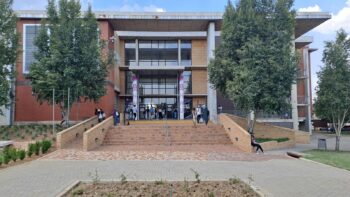
The building facilities are inadequate. With only two elevators for a large number of students, they’re constantly overcrowded, causing long delays and daily frustration. There are also no proper sports grounds, clubs, gyms, or entertainment facilities for students. Instead of investing in student welfare, the institute seems focused only on taking money—like gold diggers—while putting up countless new buildings. Government universities are far better in terms of value, facilities, and student support.
Honestly, I regret enrolling. I strongly urge future students and parents to think twice before investing time and money here. There are better alternatives. Don’t waste your effort, energy, and mental well-being at an institute that doesn’t seem to value its students.Programme: Software EngineeringDegree: Bachelor'sGraduation: 2027Delivery Type: BlendedCampus: Colombo -
Computer Science12 Jan, 2024
 ShenonLKA fine academic experience
In my opinion, the Informatics Institute of Technology (IIT) gives its students a well balanced academic experience providing them with the opportunity to engage in multiple extracurricular activities while granting the ability to hold globally recognized IT related degrees. The only flaw I see in this overall pleasant academic experience is the lack of quality in facilities. Other than that, the Informatics Institute of Technology excels in providing a fine academic experience.
View moreProgramme: Computer ScienceDegree: Bachelor'sGraduation: 2027Delivery Type: On CampusCampus: Colombo -
Software Engineering17 Nov, 2022 HiruniLKStudies at Informatics Institute of Technology
IIT offers really good IT and business degrees from the University of Westminster and the Robert Gordon University, two reputed universities in the UK. IIT has a helpful and dedicated panel of lecturers, and is a university that encourages its undergraduates to follow extra-curricular activities while following their degree.
View moreProgramme: Software EngineeringDegree: Bachelor'sGraduation: 2024Delivery Type: BlendedCampus: Colombo