
Cyprus University of Technology - CUT
speciality:
Computer Science
What Is a Computer Science Degree?
The passion for technology can lead you to choose the specialisation of Computer Science. This field has become increasingly popular in recent years, the development being so rapid that people are trying to keep up with it.
A Computer Science degree deals with the theoretical and practical foundations of information technology and computers. The scientific part merges with the practical one in various algorithms, information processing or in computational models. This specialisation often aims to study methodological processes, making representations on a computer, storage, or accessing information.
At the same time, the study of Computer Science focuses on the learning of programming languages, which are extremely important for any student. Python, C ++, Java are just a few of the programming languages that are explored in depth by students in order to solve the applications received from the faculty. Furthermore, on the labour market, programming languages are highly appreciated and integrated, being a useful tool for optimal performance of industries.
Benefits of a Computer Science Degree
The most important skill that young people learn following this degree is the use of programming languages. Once they grasp the logic of programming, they will easily be able to master the languages and build or develop WEB applications. Additional skills that are acquired can be: network design and engineering, software engineering, multimedia design. In addition, classical skills such as teamwork, leadership, problem-solving or time management are also gained by students.
According to recent studies, 6 of the 10 best jobs chosen by graduates are linked to Computer Science. These include Web Design, Computer Support Specialist, IT Operations Technician or Database Administrator. Moreover, the employment rate is favourable to the students, being over 70%. Due to the rapid advancement of technology, it is expected that the supply will grow in the future, requiring computer science specialists in any field.
Computer Science Degree Structure
To study Computer Science, students can either pursue university courses or follow courses online, depending on their availability and income. Online or outside-university courses include disciplines such as: Information Systems Management, Game Programming, Web Development, Network Fundamentals. They usually have a duration of 2 years. Although these courses provide important skills in this specialisation, students may be disadvantaged when competing with a student who has a Bachelor’s Degree. Some of the most important campuses in the world include Penn State World Campus, University of Massachusetts, Lowell (The Division of Online Learning and Continuing Education), Saint Leo University.
The Bachelor in Computer Science lasts around 3 to 4 years, depending on the university. Throughout the programme, students acquire mathematical knowledge, theoretical and practical foundation in programming. Some of the subjects discussed are: Computer Programming, Data Structures, Databases, Algorithms, Linear Algebra, Probability Theory or Statistics. These vary according to the curriculum of the university.
A Master’s program complete the students’ necessary career skills. In this way, they have a greater understanding of computing softwares, tools, packages, and computer architecture.
There are Master programs that can be followed even by those who have not undertaken undergraduate studies in Computer Science, such as those offered at the University of Birmingham for example. These programs can take either 2 to 5 years.
A PhD program is especially dedicated to those who want to research or become university professors and can last between 4 to 5 years.
3 Student Reviews
-
Information Technology ...6 months ago
 BrandonNGWell balanced university experience
CUT is a great place to learn and grow. The campus is beautiful and has everything you need to succeed, from quiet study spots to fun social activities. You’ll find a perfect balance between academics and social life, plus access to top-notch resources and career opportunities. It’s also affordable too.
View moreProgramme: Information Technology Management for BusinessDegree: Bachelor'sGraduation: 2027Delivery Type: On CampusCampus: Limassol -
Computer Engineering ...8 months ago LeonidasCYDecent Experience
I am a graduate of the Cyprus University of Technology in Computer Engineering and Informatics (now named Computer Science). I moved from Nicosia to Limassol to pursue my studies, and overall, I had a decent experience.
The courses were generally useful and relevant, but some could be updated to better reflect modern trends and technologies. For example, the inclusion of an Artificial Intelligence course came later than I would have expected.
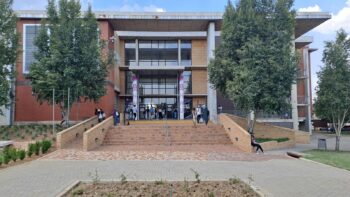
The university buildings are modern, clean, and comfortable. They are located throughout the center of Limassol, which is convenient, but it can be confusing at first to locate the correct building for each course.
Most professors were approachable, helpful, and genuinely invested in teaching. Student life can be tricky since the university is spread across the city, so you will likely mostly socialize with students from your own department. However, the university and its student organizations host many events that help students from different departments connect.
I really enjoyed the university’s athletic department, which organized most trips and offered free classes for various sports. For example, I was able to take free Muay Thai classes, which helped me as a competitive fighter. They also organized trips and activities such as yacht parties, a skiing trip to Bulgaria, rock climbing excursions, and many more, which made the experience more enjoyable. Socializing at this university is certainly possible, but it is more up to you; the university does not force frequent social interaction, so you need to take the initiative if you want to get involved.
There were some challenges during my time at the university. Finding affordable accommodation in Limassol is extremely difficult. One-bedroom apartments start around €700 per month, and studios are around €550–600. The university dorm application process is slow and restrictive, usually requiring you to apply 1–2 months before courses start, which is stressful if you do not get accepted. Financial aid exists now for students who cannot get dorms, but it was limited when I attended.
Parking was another challenge. The university is centrally located, so free parking is almost impossible. University parking exists, but it is far from the buildings and not well-managed, with occasional issues from non-students occupying spaces. Private parking is available but can be costly at around €3 per day.
During the COVID period, the university required vaccination to attend in-person classes. Daily testing was not accepted as an alternative, so I had to get the vaccine against my will in order to continue attending classes. This policy negatively affected my experience at the time.
Overall, the Cyprus University of Technology provides a solid academic experience, but logistical challenges such as housing and parking can make life difficult, particularly for students with financial constraints. During my time, the university required vaccination to attend in-person classes, which negatively affected my experience, but this is no longer a requirement. If you are proactive about socializing and getting involved in activities, and can manage the other challenges, it is a workable university and can be an enjoyable experience.
View moreProgramme: Computer Engineering and InformaticsDegree: Bachelor'sGraduation: 2025Delivery Type: On CampusCampus: Limassol -
Information Technology ...22 Oct, 2021
 StudentVery good degree
Excellent Batchelor degree. The program and the lectures it was very helpful for the next stage of my career! The city was wonderful! Society in the center of Limassol was very nice
View more
You have a lot of opportunities when you studying.Programme: Information Technology Management for BusinessDegree: Bachelor'sGraduation: 2020Delivery Type: On CampusCampus: Limassol