University College London - UCL
speciality:
Art & Design
What Is an Art and Design Degree?
It is considered that generation Y is the generation with the most creative minds. Thus, millennials tend to express themselves through various forms, such as Art and Design.
Degrees in Art and Design aim to empower students to use art as a tool for self-expression. This degree is designed to develop visual perception as well as visual literacy. As a result, students gain practical skills in order to turn their imaginative ideas into reality.
Unlike many programmes, Art and Design courses improve students’ attention to detail, creative thinking, and freedom in the decision-making process.
Benefits of an Art and Design Degree
Art and Design is a competitive industry. Therefore, it is of utmost importance to be equipped with the necessary skills to have higher chances of being employed in this field.
In general, graduates from this degree have a wide range of employment options once they finish their studies. The advantage of an Art and Design course is that you are highly employable for other industries too – there are numerous courses that would help to develop specialised skills for specific careers.
Some particular job areas include – apart from being an artist – community worker, fashion designer, graphic designer, illustrator, advertising executive, and multimedia worker. Many Art and Design graduates find themselves using their skills in marketing, media, or even teaching.
Art and Design Degree Structure
Art and Design degrees are part of Bachelor of Art (BA) Degrees. Courses’ structure and length depend on what type of programme you choose to study and the country where you choose to study. Usually, Art and Design courses are a three-year commitment, although there are countries – like the USA – where you need to study for at least four years.
The most remarkable aspect about this degree is that it emphasises the practical knowledge. Courses are often taught in studios, as a form of workshops. Additionally, students are assessed based on their portfolios of work, which may be exhibited to the public.
9 Student Reviews
-
Film and ...12 months ago
 YongxiangGBA Transformative Programme for Visual Storytellers
Studying the MA in Ethnographic and Documentary Film at UCL has been one of the most enriching experiences of my academic life. What stood out to me most was the programme’s unique blend of rigorous anthropological theory and practical filmmaking training. The tutors are not only experienced filmmakers and scholars but also deeply supportive mentors who treat your ideas seriously and push you to grow.
The course structure is intense but incredibly rewarding — you go from foundational camera skills to directing your own short documentaries within months. I particularly appreciated the feedback culture here: it’s honest, constructive, and genuinely helped me develop a clearer voice as a filmmaker.
Campus life is vibrant, and being based in London means constant exposure to creative opportunities beyond the university. If you’re passionate about visual storytelling and want to explore how film can engage with real-world social issues, this programme will give you both the tools and the confidence to pursue that path.
Highly recommended for anyone serious about using documentary as a form of expression and impact.
View moreProgramme: Film and Media ProductionDegree: Master'sGraduation: 2025Delivery Type: On CampusCampus: London -
Arts22 Nov, 2022
 StudentGBSpacious environment
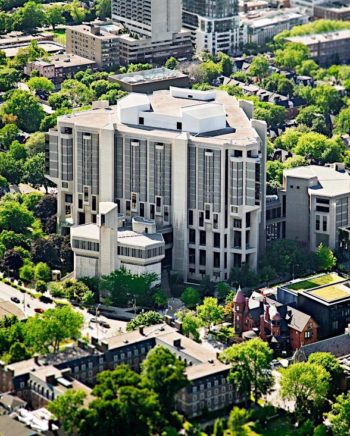
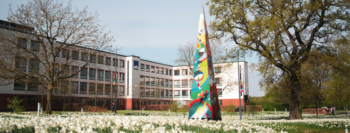
The University College of London is a well-designed campus with ample space, which provides for seasonal scenery and flora both on and around the school. Conversation is possible in classes and public locations because to the pleasant and social nature of the staff and instructors. Additionally, via their participation in sports, other campus events, and their classes, students bond.
View moreProgramme: ArtsDegree: Bachelor'sGraduation: 2025Delivery Type: BlendedCampus: London -
Art History19 Jun, 2020 StudentAmazing experience
I did my masters in History Of Art at UCL and was overall very happy with the professors as well as the curriculum. What I liked the most is that they approached art by looking at the philosophical and socio-political factors of each era which gave me a holistic view and taught me that If I want to have a deeper understanding of something I have to look at it from all points as everything is codependent.
View moreProgramme: Art HistoryDegree: Master'sGraduation: 2014Campus: London -
Art History26 Jun, 2019 StudentOverall really amazing place to be
Really good facilities, teaching staff and love being in London. The main issue is that there are too many students and not enough space so study spaces became extremely crowded and often in first year classes were taught is not the best places e.g. hotels.
View moreProgramme: Art HistoryDegree: Bachelor'sGraduation: 2019Campus: London -
Art History26 Jun, 2019 StudentGreat university in an extremely vibrant and engaging city
UCL has been an amazing experience that I have yet to finish. London has been for my course very useful as many great museum and galleries are around letting me expand my knowledge on multiple subjects. Student life has always been as well extremely exhilarating giving me plenty of memories that I will never forget!
View moreProgramme: Art HistoryDegree: Bachelor'sGraduation: 2020Campus: London -
Art History26 Jun, 2019 StudentTop University
With the opportunity to learn from some of the most brilliant tutors at the cutting edge of research, making real change in the world is a privilege. Having all this and one of the best cities in the world at your doorstep is why I’d recommend UCL as one of the best universities to study at.
View moreProgramme: Art HistoryDegree: Bachelor'sGraduation: 2020Campus: London -
Art History08 May, 2019 StudentBrilliant but Cold
UCL is a space where a lot brilliant minds meet, clash, argue, innovate, research and thereby create. And that is beyond amazing. The intellectual quality is undeniable. Every now and then the intellectual rigour and the excellence of the research comes at the expense of the student, especially the younger ones. Their mental health is not a priority, neither is their experience. The MA was therefore more enjoyable than the BA. I imagine the PHD program to be fantastic.
View moreProgramme: Art HistoryDegree: Master'sGraduation: 2018Campus: London -
Art History22 Jan, 2019 Studentgood study experience
the degree program was well-designed as it requires to study one subsidiary subject and one foreign language apart from the major. This helps us study comprehensively and beyond a single discipline. The library also provides good reading resources and study places.
View moreProgramme: Art HistoryDegree: Bachelor'sGraduation: 2021Campus: London -
Arts20 Jan, 2019 StudentDiverse and inclusive uni
UCL is an international university located in central London. Students enjoy the benefits of being offered all kinds of opportunities in this world city. The research done by the university’s scholars have been closely linked with the real world as well.
View moreProgramme: ArtsDegree: Bachelor'sGraduation: 2021Campus: London