
Student review [#79928]
for MBA
at Osmania Univercity - OU
Hyderabad, India

Osmania University, established in 1917, is one of the oldest and most respected universities in India. Located in Hyderabad, Telangana, this public state university has a rich history and a strong reputation for academic excellence, drawing students from across India and around the world.
Academics and Programs: The university offers a diverse range of undergraduate, postgraduate, and doctoral programs across various fields such as arts, sciences, engineering, law, management, and more. The faculty is highly qualified, with many professors holding advanced degrees and significant research experience. Students appreciate the faculty’s dedication to teaching and mentoring, which contributes to a robust academic environment.
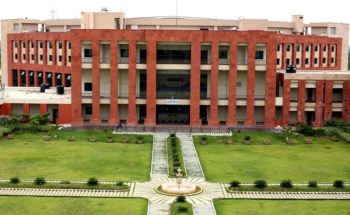
Campus and Infrastructure: The campus is sprawling and well-maintained, providing an inspiring setting for learning. It features extensive libraries, modern laboratories, and other essential facilities that support both academic and extracurricular activities. The university also hosts numerous clubs and societies, allowing students to pursue their interests and develop new skills outside the classroom.
Student Life and Culture: Osmania University is known for its vibrant student life. The university organizes various cultural events, sports activities, and academic competitions throughout the year. These events foster a sense of community and provide students with opportunities to showcase their talents and interact with peers.
Placements and Career Support: The university has a dedicated placement cell that works to connect students with potential employers. While the placement record is generally good, with many students securing positions in reputable companies, there is always room for improvement. Some students feel that increasing the number of recruiting companies and streamlining the placement process could enhance the overall placement experience.
Challenges: Like any large institution, Osmania University faces certain challenges. Some students mention that administrative processes can be slow and that there could be better coordination between different departments. However, these issues are common in many large universities and do not significantly detract from the overall positive experience.
Featured Reviews from other universities





You might like these Universities